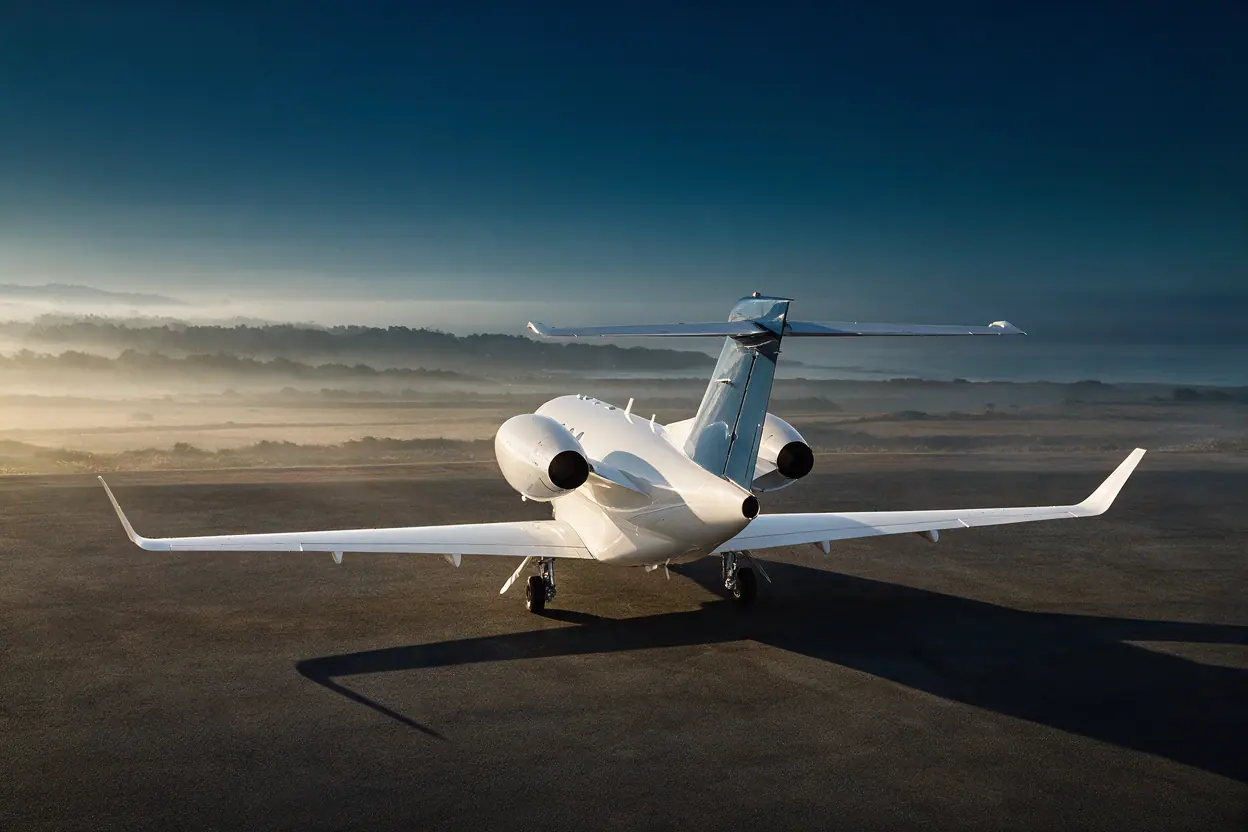
Corporate super-midsize jet
A corporate super-midsize jet carries 8 to 10 passengers at 470 knots. The New York to Miami leg runs 2h 25m across 949 nm. This class suits teams that need a stand-up cabin and coast-to-coast legs.
- $7,200–$10,000per flight hour
- 8-10seats filled
- 3,200 nmnormal range
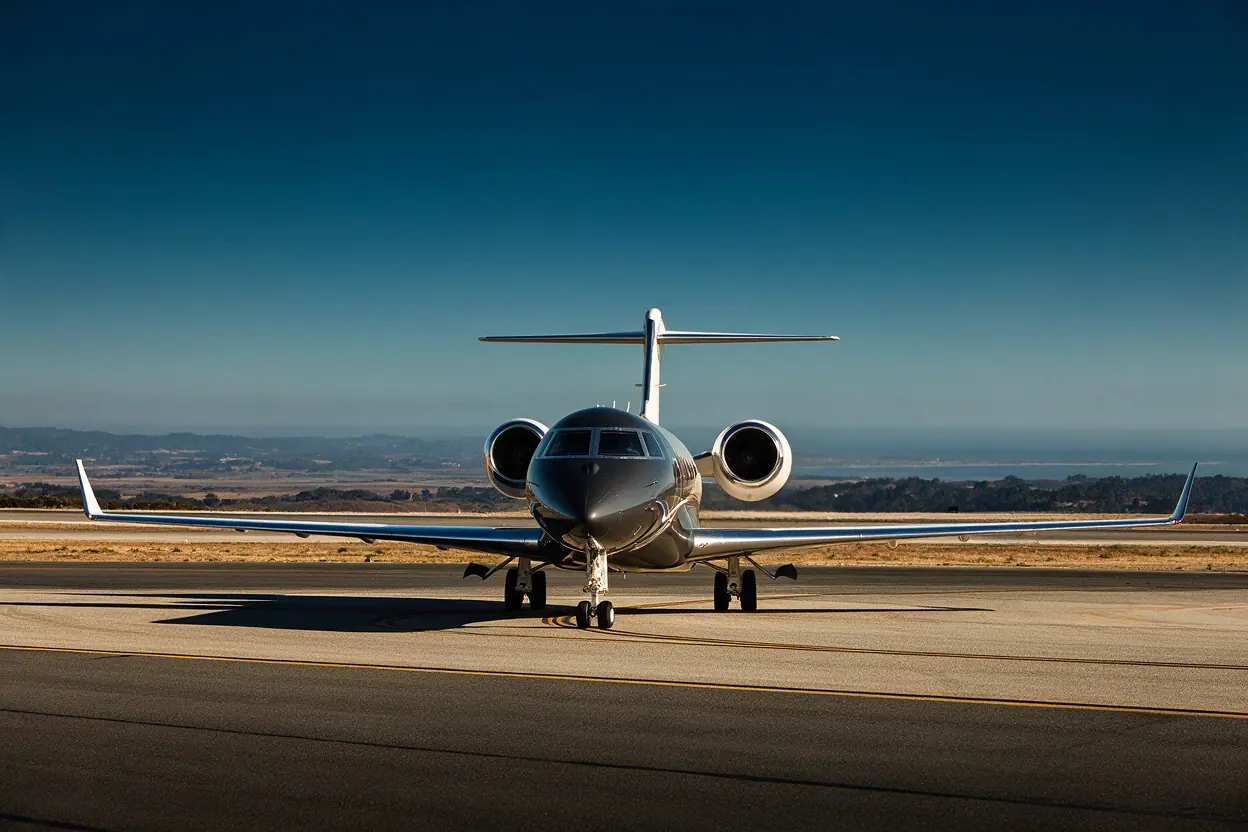
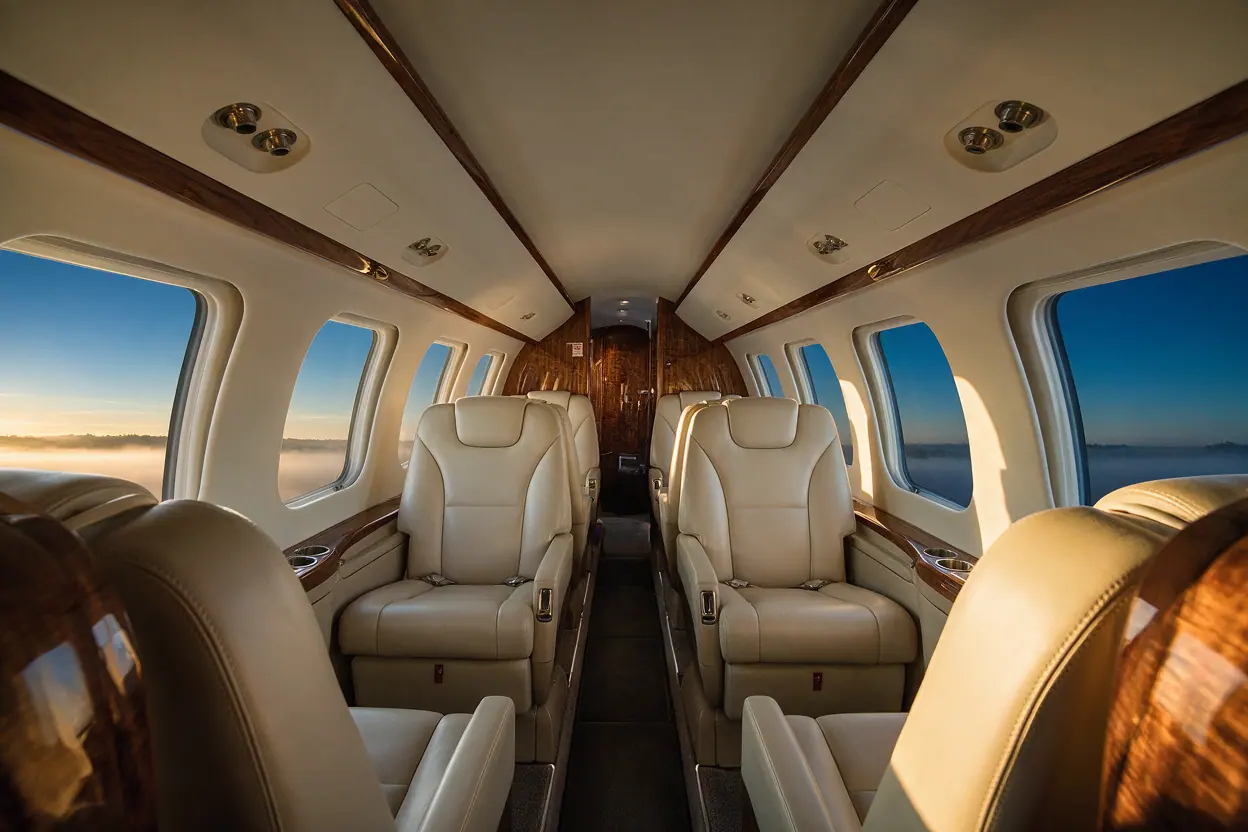
A corporate super-midsize jet is the turbine class between midsize and large cabins, and it is the smallest airframe that makes a five-hour working leg genuinely comfortable. The 3,200-nm typical range covers New York to Los Angeles at 2,129 nm nonstop in still air, and the cabin holds 6 feet or more of headroom so four people can stand and move at once. Hourly rates run $7,200 to $10,000, and that band is the number to anchor a team budget against before you call anyone.
For business travel the class earns its price on schedule control and working space, not on speed. Nonstop legs of five hours keep a team out of commercial connections and off the TSA line, and baggage volumes of 106 and 154 cubic feet swallow trade-show cases and demo gear. Reach for a light jet only when the mission is under two hours and the passenger count is under six; otherwise the larger cabin pays for itself in usable time.
Bombardier Challenger 350
- 10 pax
- 470 kt speed
- 3,200 nm legs
- 106 cu ft luggage
- 868 held on US registry
The Bombardier Challenger 350 seats 10 and cruises at 470 knots. Its flat floor and 6-foot cabin height make it the default choice for teams that work in flight. Baggage volume is 106 cubic feet, enough for a roadshow's cases and a folding display. Plan on the 3,200-nm range for transcontinental legs, and ask what cabin configuration the specific tail carries before you book a long trip.
Gulfstream G280
- 9 pax
- 482 kt speed
- 3,600 nm legs
- 154 cu ft luggage
- 289 held on US registry
The Gulfstream G280 seats 9 and cruises at 482 knots, the fastest airframe in this class. Its 3,600-nm range is the longest here, which matters when winter winds push a coast-to-coast leg toward a fuel stop. The cabin is 6 ft 3 in tall and 25 ft 10 in long, and baggage space is 154 cubic feet. Ask for a layout drawing if the team carries oversized equipment.
When a corporate super-midsize jet fits
- When the passenger count is 8 to 10 and the trip is coast-to-coast, then one super-midsize jet keeps the group together instead of splitting into two light aircraft. The benchmark mission is New York to Los Angeles at 2,129 nm, and anything shorter is easier.
- When the day starts with a plant visit and ends with a board meeting two time zones away, then the 470-knot cruise and the 3,200-nm range let you plan a single crew day with one fuel stop at most.
- If the leg is under an hour, such as Los Angeles to Las Vegas at 199 nm, then the cabin is more than the trip needs and a turboprop or light jet usually prices lower for the same seats.
- When four to six people travel with standard bags, then a midsize jet often covers the identical route for less, so get both quotes side by side before you commit to the larger cabin.
What a corporate super-midsize jet can't
The class cannot match a large-cabin jet on sleeping arrangements or cargo volume. The 82-nm New York to the Hamptons leg is too short for the super-midsize economics, so a light jet is the better tool there. Transatlantic legs are out of range without a stop, so plan a fuel stop in Gander or Bangor and clear CBP at the first US airport on the return.
Pricing is an estimate, not a quote. Expect the hourly band to move with crew duty time and airport fees at places like Teterboro or Van Nuys. Ask whether the certificate behind the tail is active and what the cancellation terms are before you sign anything.
Super-midsize jet rates on common legs
Sample missions show the pricing shape of the class. Short legs such as Los Angeles to Las Vegas at 199 nm price from $7,200 to $10,000, while the 2,129-nm New York to Los Angeles run lands at $36,500 to $50,500. The hourly band sets the floor for every quote, and taxes, crew overnight and landing fees sit outside it.
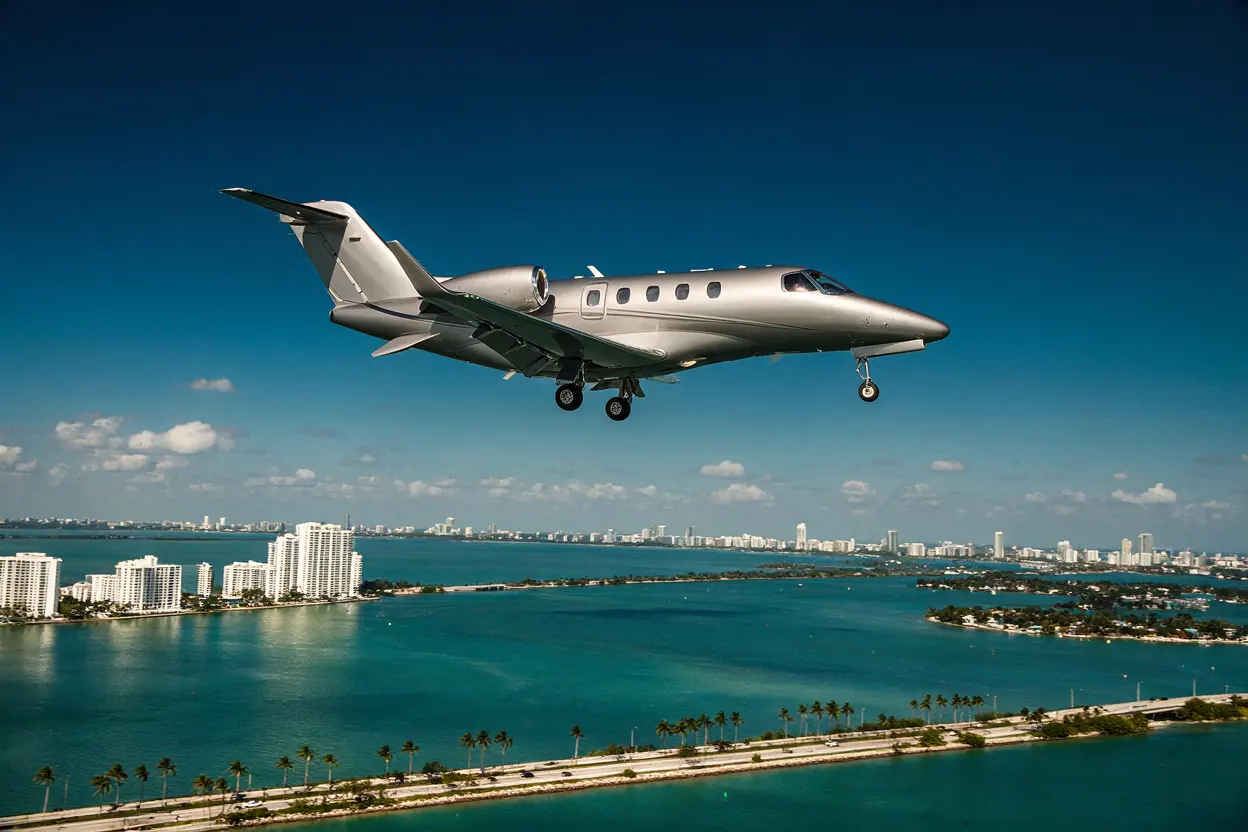
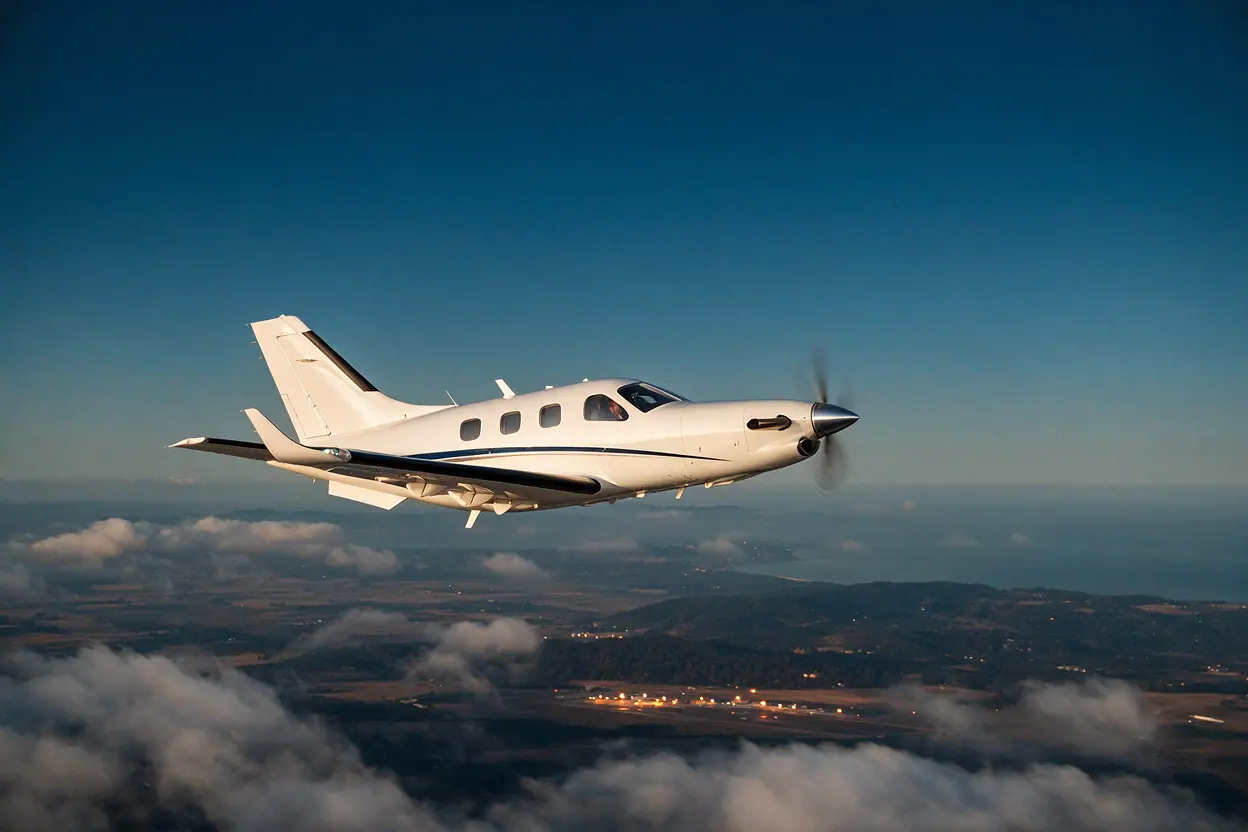
Route charter times and Super-midsize jet costs
A super-midsize jet covers these 28 routes in 0h 29m to 5h 15m, with one-way estimates starting at $7,200 up to $52,500.
| Leg | Dur. | Single-leg est. |
|---|---|---|
| New York → Miami | 2h 25m | $17,500–$24,000 |
| New York → Los Angeles | 5h 03m | $36,500–$50,500 |
| Los Angeles → Las Vegas | 0h 45m | $7,200–$10,000 |
| New York → Palm Beach | 2h 19m | $16,500–$23,000 |
| Los Angeles → San Francisco | 0h 55m | $7,200–$10,000 |
| New York → The Hamptons | 0h 29m | $7,200–$10,000 |
| Chicago → New York | 1h 41m | $12,000–$17,000 |
| Dallas → Houston | 0h 46m | $7,200–$10,000 |
| Miami → Nassau | 0h 40m | $7,200–$10,000 |
| New York → Boston | 0h 39m | $7,200–$10,000 |
| Washington, DC → New York | 0h 44m | $7,200–$10,000 |
| Los Angeles → Cabo San Lucas | 2h 06m | $15,000–$21,000 |
| Dallas → Las Vegas | 2h 22m | $17,000–$23,500 |
| Chicago → Miami | 2h 35m | $18,500–$26,000 |
| Atlanta → New York | 1h 44m | $12,500–$17,500 |
| New York → Las Vegas | 4h 37m | $33,500–$46,000 |
| San Francisco → Las Vegas | 1h 06m | $8,000–$11,000 |
| Denver → Aspen | 0h 31m | $7,200–$10,000 |
| Houston → New York | 3h 03m | $22,000–$30,500 |
| Dallas → New York | 2h 58m | $21,500–$29,500 |
| Los Angeles → Honolulu | 5h 15m | $38,000–$52,500 |
| Seattle → Los Angeles | 2h 08m | $15,500–$21,500 |
| Phoenix → Los Angeles | 1h 01m | $7,500–$10,000 |
| Boston → Palm Beach | 2h 38m | $19,000–$26,500 |
| Miami → Turks and Caicos | 1h 26m | $10,500–$14,500 |
| New York → Nantucket | 0h 43m | $7,200–$10,000 |
| Dallas → Aspen | 1h 41m | $12,000–$17,000 |
| Los Angeles → Jackson Hole | 1h 48m | $13,000–$18,000 |
Good to know
How many passengers does a corporate super-midsize jet carry?
A corporate super-midsize jet carries 8 to 10 passengers, depending on the airframe. The Challenger 350 seats 10 and the Gulfstream G280 seats 9. Baggage volume runs from 106 to 154 cubic feet, so a team of eight with standard luggage plus two equipment cases fits without negotiation. Confirm the seat count and baggage weight limit with the operator for your specific trip.
What is the range of a super-midsize jet?
The typical range is 3,200 nm, and the G280 reaches 3,600 nm. That covers New York to Los Angeles at 2,129 nm nonstop in still air, though headwinds can force a fuel stop. For planning, treat 2,800 nm as the dependable nonstop distance in winter and ask for a wind-adjusted fuel plan on any leg over 2,500 nm.
How much does a corporate super-midsize jet cost per hour?
Hourly rates run $7,200 to $10,000 for this class. A New York to Miami leg at 949 nm and 2h 25m prices between $17,500 and $24,000, and New York to Los Angeles at 5h 03m runs $36,500 to $50,500. These are estimates before taxes, landing fees and crew overnight costs, so treat the hourly band as a starting point, not a final number.
Can a super-midsize jet fly New York to Los Angeles nonstop?
Yes. The 2,129-nm leg sits inside the 3,200-nm range, and the flight time is 5h 03m. Winter headwinds can add a fuel stop, so ask for the wind-adjusted plan before you set the meeting time. The G280's 3,600-nm range leaves more margin on that route. Both airframes handle the leg with 8 to 10 passengers and normal bags.
How fast does a corporate super-midsize jet cruise?
Cruise speed is 470 knots, with the G280 at 482 knots. That translates to 2h 25m from New York to Miami across 949 nm and 1h 41m from Chicago to New York across 619 nm. Speed matters most on long legs, where the gap between 470 and 482 knots saves minutes rather than hours. On short hops the taxi and climb time dominate the block time.
What should I check before booking a super-midsize jet?
Ask for the certificate status behind the operator, the aircraft's recent maintenance interval and the crew duty plan for your itinerary. Confirm cancellation terms, landing fees at the destination and whether de-icing is included in winter. On international legs, verify CBP clearance at the first US airport. Get two broker quotes and compare the itemized costs, not just the total.