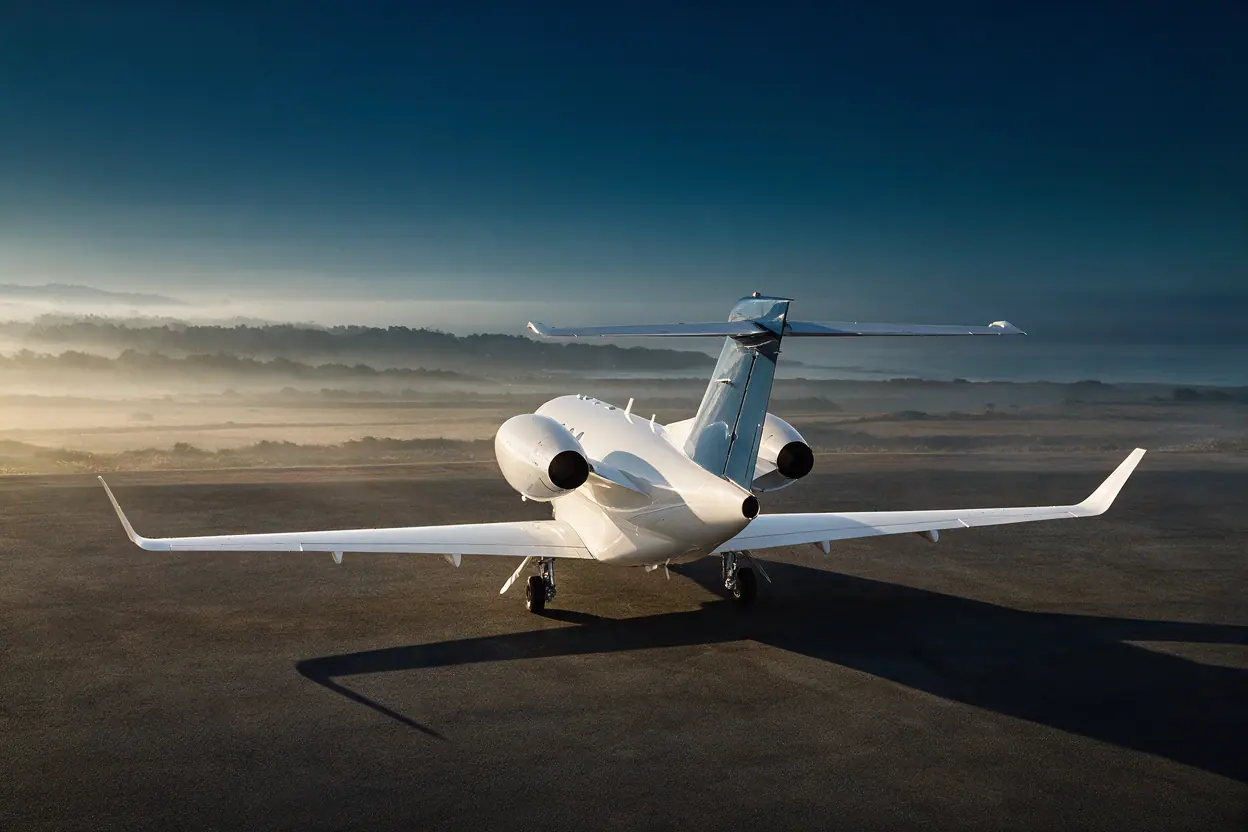
Corporate jet Washington Dulles
Washington Dulles International Airport (IAD) handles corporate jets with an 11,500-foot runway. July density altitude reaches 2,400 feet, well above the 312-foot field elevation. This guide covers runways, FBOs, and seasonal performance for business travelers.
- KIAD · IADfield identifiers
- 312 ftairfield elevation
- 11,500 ftlongest strip
- 0 mito New York
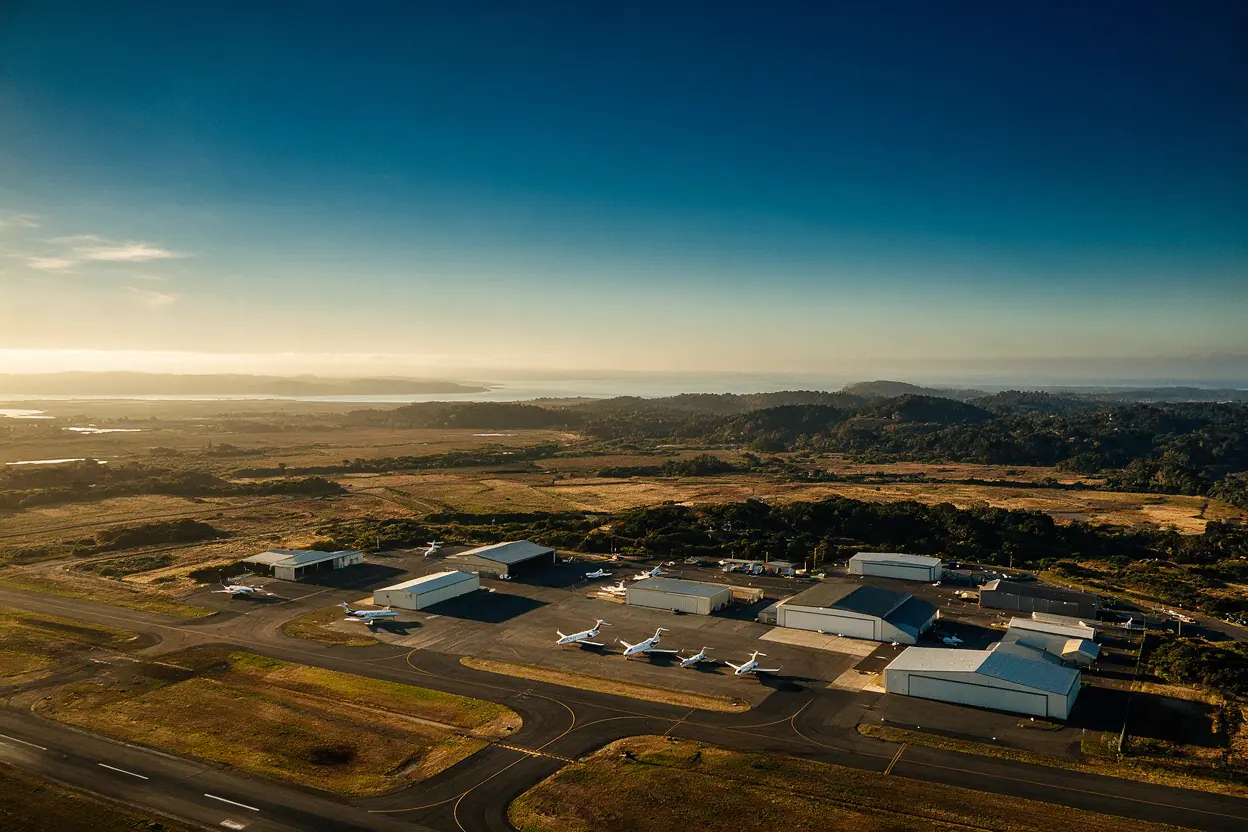
Washington Dulles International Airport (IAD) is the Washington region's primary international gateway and a practical option for corporate jet Washington Dulles arrivals and departures on same-day business trips. The airport covers a large footprint in Fairfax and Loudoun counties, Virginia, with a main terminal and midfield concourses. For business aviation, IAD offers a contrast to closer-in fields like Ronald Reagan Washington National, which has strict slot controls. Dulles has ample runway capacity and long operating hours, making it suitable for coast-to-coast and transatlantic corporate missions.
The airport opened in 1962 and was designed by architect Eero Saarinen. It is now the busiest airport in the Washington metropolitan area by passenger count. For corporate operators, IAD is a designated port of entry with U.S. Customs and Border Protection facilities, which simplifies international returns. If your team is flying internationally, then clearing CBP at the FBO saves a trip to the main terminal. However, the airport's size means surface trips between the FBO and the main terminal can take longer than at smaller reliever fields. Still, for companies based in Northern Virginia or the District, IAD is often the most efficient full-service option.
When comparing quotes for a corporate jet Washington Dulles trip, ask your provider for all-in pricing that includes landing fees, handling, and any after-hours charges. Dulles is a high-traffic commercial hub, so slot requirements may apply during peak periods. A reputable charter broker will confirm these details before booking. For a corporate flight Washington Dulles to the West Coast, then the 11,500-foot runway allows nonstop trips with full fuel. Also, consider the trade-off between IAD's long runway and amenities versus closer airports like Manassas Regional or Leesburg Executive, which may reduce ground time but have shorter runways and fewer services.
Access and ground logistics at IAD
Washington Dulles International Airport is located in Dulles, Virginia, about 26 miles west of downtown Washington. The Dulles Access Road and the Dulles Toll Road provide direct highway access to the airport. For corporate jet Washington Dulles travelers, the FBOs are accessed via a separate entrance from the main terminal. If your ground transportation is arranged through the FBO, then you can avoid the main terminal traffic and go directly to the ramp. However, note that the airport's large size means driving times between the FBO and the main terminal can be 10–15 minutes. For international departures, customs is handled at the FBO, so you do not need to visit the main terminal. TSA screening is not required for general aviation departures, but commercial connections may require it.
Private jet routes via Washington Dulles
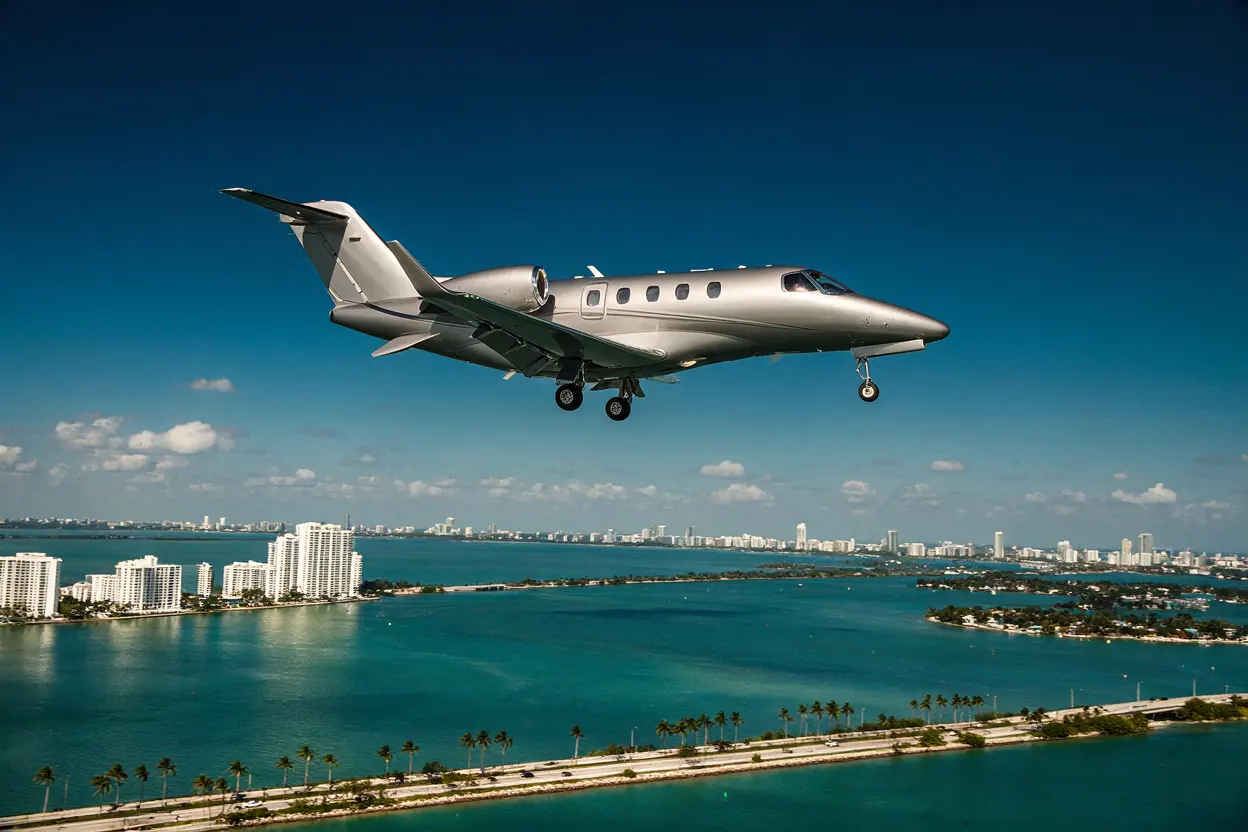
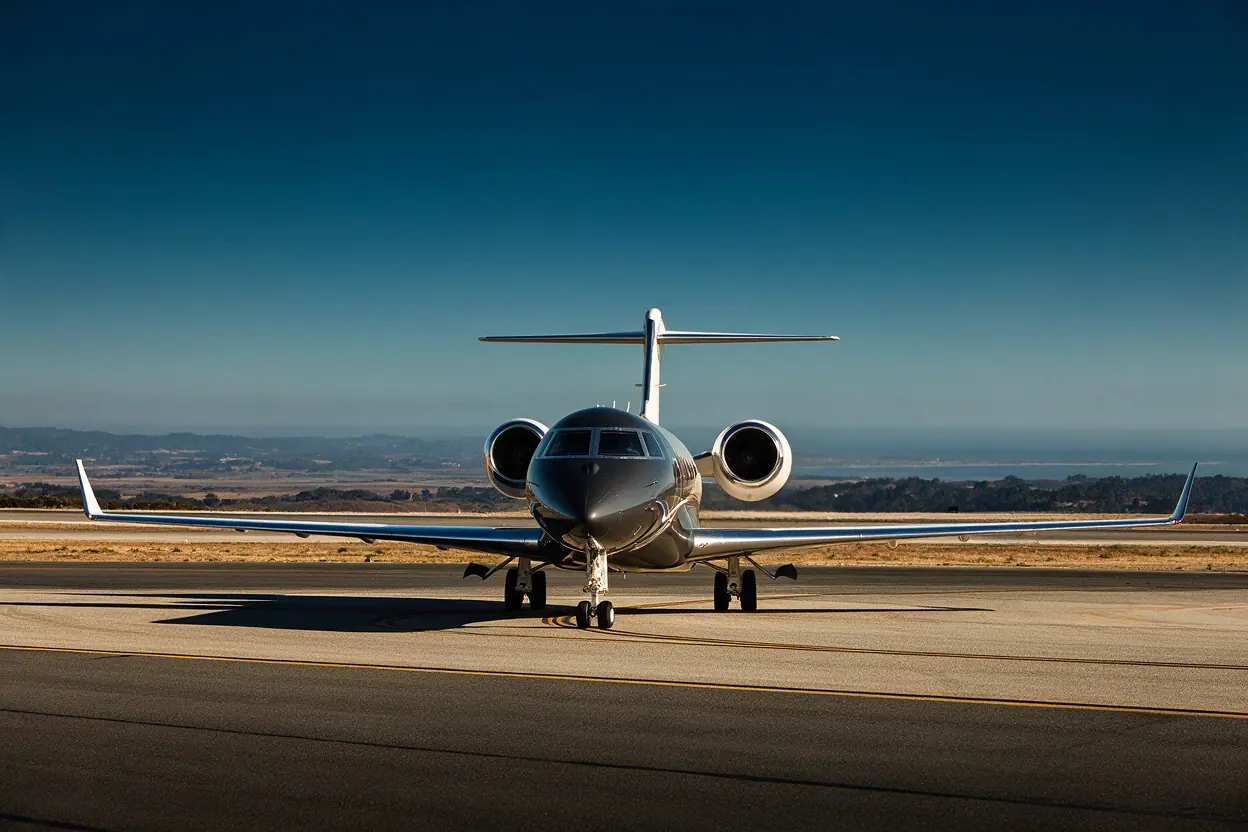
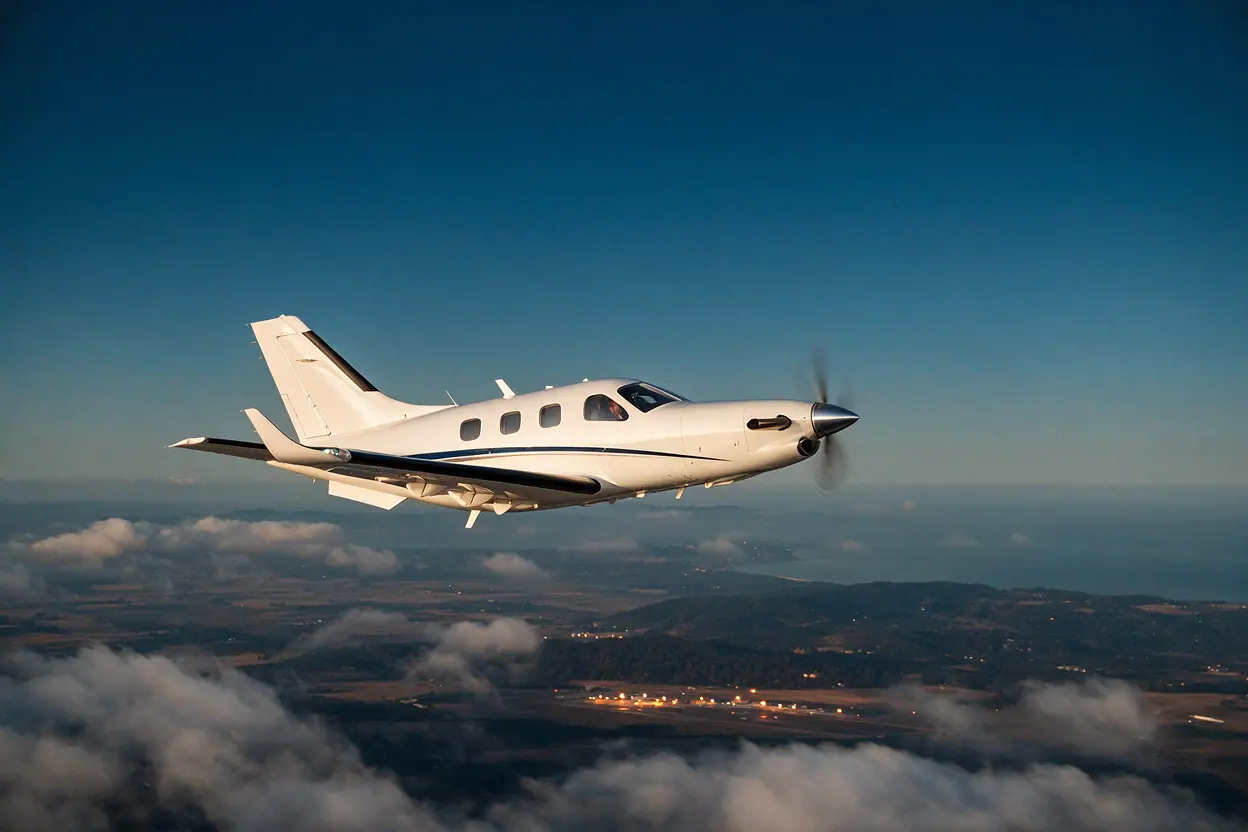
These 6 private jet routes cover 82 to 2,129 nautical miles, with one-way light jet estimates ranging $4,000 to $36,000.
Runways and field performance at IAD
Washington Dulles International Airport has three parallel runways, with the longest extending 11,500 feet, allowing nonstop transcontinental and transatlantic corporate flights. The field elevation is 312 feet. In summer, density altitude climbs to 2,400 feet in July and peaks at 2,900 feet in the hottest month. For a corporate jet Washington Dulles departure on a hot July afternoon, plan for the 2,400-foot density altitude to reduce climb performance by roughly 10 percent. Runways are oriented north-south, and the airport's layout supports simultaneous operations. If you are flying a midsize jet in July, then the 2,400-foot density altitude may reduce payload by up to 800 pounds. Pilots should consult performance charts for each flight.
| Rwy | Dist. | Wid. | Pavement |
|---|---|---|---|
| 01C/19C | 11,500 ft | 150 ft | CONC-G |
| 01R/19L | 11,500 ft | 150 ft | Concrete |
| 12/30 | 10,501 ft | 150 ft | Concrete |
| 01L/19R | 9,400 ft | 150 ft | Concrete |
FBOs and ground services at Dulles
Two on-airport FBOs serve corporate jet Washington Dulles traffic: Atlantic Aviation and Signature Aviation. Both offer fueling, hangar space, and passenger lounges. If you need a smaller field with a more personal experience, APP Jet Center at Manassas Airport is about 20 miles west and can be a convenient alternative for light jets, though it lacks customs. Signature Aviation offers a dedicated corporate aviation terminal.
Ground transportation from the FBOs to downtown Washington takes 40–60 minutes depending on traffic on the Dulles Access Road and I-66. If your meeting is in Tysons or Reston, the drive is shorter. Consider pre-arranging a car through your FBO; rideshare availability can be spotty at the general aviation facilities. If you are heading to a downtown meeting, then budget 40–60 minutes for the drive from the FBO.
Best for
- Nonstop transcontinental and transatlantic corporate missions (11,500-foot runway).
- International arrivals that require U.S. Customs and Border Protection clearance at an on-airport FBO.
- Companies headquartered in Northern Virginia or the District that need a full-service airport with long operating hours.
- Large-cabin aircraft that need extensive FBO amenities and hangar space.
| Type | Runway required | Here |
|---|---|---|
| Turboprop | 3,300 ft+ | OK for this aircraft |
| Light jet | 4,000 ft+ | OK for this aircraft |
| Midsize jet | 5,000 ft+ | OK for this aircraft |
| Super-midsize jet | 5,200 ft+ | OK for this aircraft |
| Heavy jet | 5,600 ft+ | OK for this aircraft |
Weather and density altitude by season
Summer is the most demanding season for density altitude at IAD. In July, the average high is 89 F, and density altitude reaches 2,400 feet. If you are scheduling a corporate jet Washington Dulles departure in July, plan for a 2,400-foot density altitude that can reduce payload by up to 800 pounds on some midsize jets. The hottest month's average high plus 8 F gives a peak density altitude of 2,900 feet, which may affect takeoff distance on shorter runways. However, IAD's 11,500-foot runway provides ample margin for most corporate aircraft, even under these conditions.
Winter brings its own challenges: January highs average 43 F with density altitude around -700 feet, meaning better engine performance but possible icing. When operating a corporate jet Washington Dulles in winter, expect deicing delays during nor'easters and check NOTAMs for runway closures due to snow removal. Spring and fall offer the most favorable conditions, with density altitudes between 200 and 1,800 feet. Regardless of season, pilots should consult the aircraft performance manual for the specific day's conditions. If your trip is in July, then the 2,400-foot density altitude is the key performance factor to brief.
| Mo. | Mean peak | Rain days | DA value |
|---|---|---|---|
| Jan | 43°F | 9 | -700 ft |
| Feb | 48°F | 11 | -300 ft |
| Mar | 56°F | 10 | 200 ft |
| Apr | 66°F | 12 | 900 ft |
| May | 75°F | 13 | 1,500 ft |
| Jun | 84°F | 12 | 2,100 ft |
| Jul | 89°F | 13 | 2,400 ft |
| Aug | 86°F | 13 | 2,200 ft |
| Sep | 80°F | 11 | 1,800 ft |
| Oct | 69°F | 8 | 1,100 ft |
| Nov | 56°F | 8 | 200 ft |
| Dec | 48°F | 9 | -300 ft |
Questions about this airport
What is the largest runway at Washington Dulles for corporate jets?
The longest runway at Washington Dulles International Airport is 11,500 feet. This length allows fully fueled large-cabin corporate jets to depart for transatlantic destinations even on hot days. The airport has three parallel runways, and the 11,500-foot runway is typically used for heavy international departures. For business aviation, this means fewer fuel stops and more direct routing options.
How high is density altitude at IAD in summer?
In July, the average high at IAD is 89 F, which produces a density altitude of 2,400 feet. The peak density altitude, based on the hottest month's average high plus 8 F, is 2,900 feet. Pilots should calculate performance for these conditions, as they can reduce available payload and increase takeoff distance. However, the 11,500-foot runway provides ample margin for most corporate aircraft.
What FBOs are available for corporate jet Washington Dulles flights?
Two FBOs serve general aviation at IAD: Atlantic Aviation and Signature Aviation. Both offer fueling, hangar space, and passenger amenities. For smaller aircraft, APP Jet Center at Manassas Airport is an alternative, though it lacks customs.
Does Washington Dulles have customs for private jet arrivals?
Yes, Washington Dulles International Airport is a designated port of entry with U.S. Customs and Border Protection facilities. This allows corporate jet Washington Dulles passengers to clear customs without transiting the main terminal, saving time.
What is the field elevation at IAD?
The field elevation at Washington Dulles International Airport is 312 feet above sea level. This relatively low elevation means density altitude is usually not a significant performance factor except on hot summer days when it can reach 2,400 feet. Pilots should still consult performance charts for each flight, as temperature and humidity can affect density altitude.
How far is IAD from downtown Washington?
Washington Dulles International Airport is about 26 miles west of downtown Washington, D.C. The drive typically takes 40–60 minutes depending on traffic on the Dulles Access Road and I-66. For corporate travelers, the airport's distance from the city center is a consideration, but it is often offset by the airport's extensive services and long runway.