Corporate Jet Minneapolis Saint Paul / Wold Chamberlain Field
Corporate jet Minneapolis Saint Paul / Wold Chamberlain Field is a hub with 11,006 feet of runway. The field sits at 841 feet elevation with July density altitude near 2,600 feet. This guide covers runways, FBOs, seasonal heat and ground access.
- KMSP · MSPfield identifiers
- 841 ftairfield elevation
- 11,006 ftlongest strip
- 0 mito New York
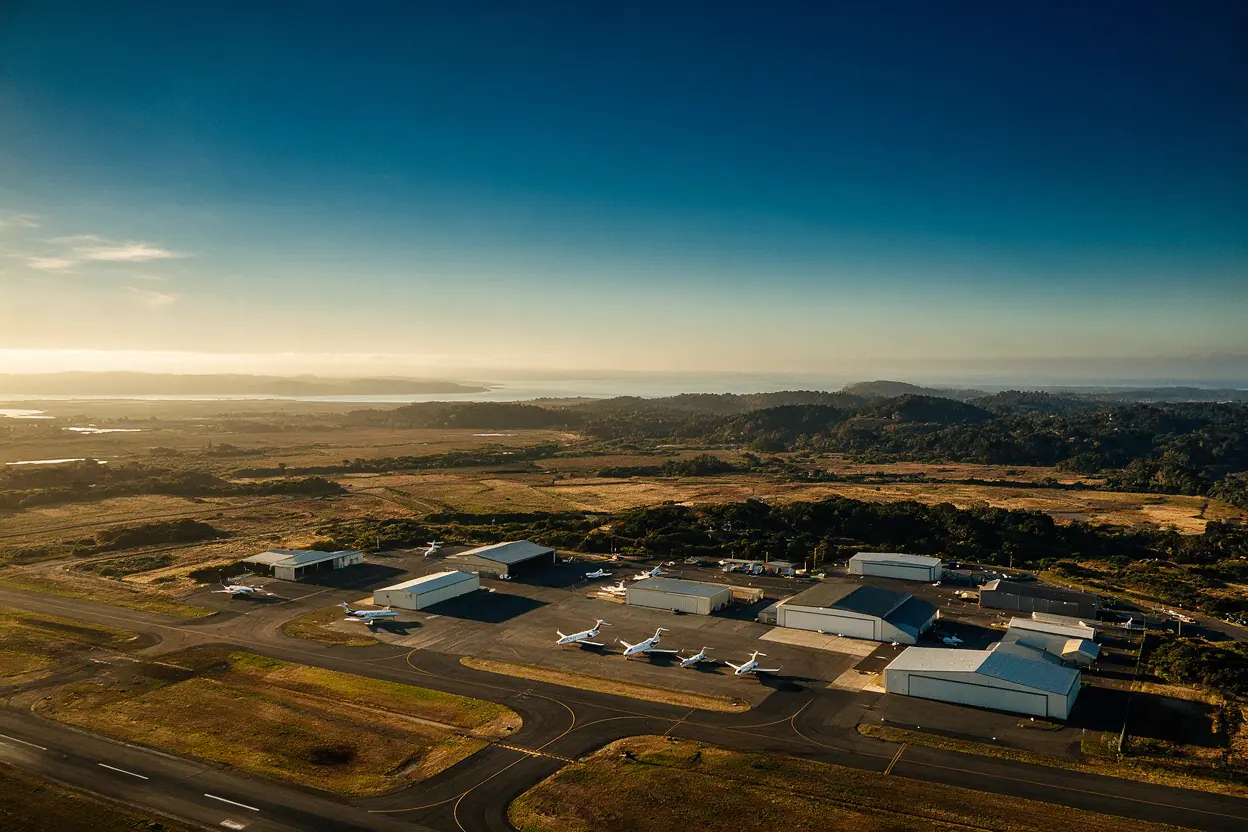
Corporate jet Minneapolis Saint Paul / Wold Chamberlain Field is the Upper Midwest's main airline hub, and business aircraft share the field with Delta's operation. The 11,006-foot main runway at 841 feet elevation gives most corporate jets ample takeoff margin, so performance is rarely the constraint. The real planning factor is ground flow: taxi routes follow airline banks, and departure slots tighten on Monday mornings and Friday afternoons. Crews plan around that rhythm.
The airport serves a deep corporate base: medical device, agribusiness, banking and mid-size manufacturers spread from downtown Minneapolis to Saint Paul and along the I-494 corridor. For a team of four to six, a corporate jet Minneapolis Saint Paul itinerary often beats a connecting itinerary on total door-to-door time, because the group lands, walks to a car and reaches a conference room while airline passengers are still in baggage claim. That recovered working time is the number finance teams compare.
Winter changes the math. January average highs near 25 F mean deicing, snow removal and braking action reports can add ground time to a corporate jet Minneapolis Saint Paul departure, so build slack into a tight morning. The airport is practiced at winter operations, but a 45-minute deice delay still moves your return. March and November hover near 43 F with more wet days, which brings mixed precipitation and a chance of ice on the ramp. Summer is milder and rarely closes the field.
Access and ground transport
The airport sits about ten miles from downtown Minneapolis and roughly the same from downtown Saint Paul, with I-494 and the airport exits putting both within a normal drive. If your meeting is downtown, then a car from the general aviation side gets you there faster than the airline terminal curb, since you skip the baggage hall and the tram. The light rail line serves the airport, though most corporate groups arrange a car through the FBO. Allow for freeway traffic between 7 and 9 a.m., when I-494 and the Crosstown fill up. For international legs, CBP clearance is handled at the airport, so confirm the arrangement in advance.
Private jet routes via Minneapolis–Saint Paul / Wold–Chamberlain
These 6 private jet routes cover 82 to 2,129 nautical miles, with one-way light jet estimates ranging $4,000 to $36,000.


Runways at MSP
The longest runway at Minneapolis–Saint Paul stretches 11,006 feet, which at 841 feet of field elevation gives business jets generous takeoff margin. Parallel and crosswind runways share the load at Wold Chamberlain Field, so arrivals and departures can run in more than one direction depending on wind, which helps when weather shifts. For pilots, the main concern is not runway length. It is sequencing with airline traffic and the taxi time that comes with a hub layout. If your departure falls in the Monday morning airline bank, then plan extra block time before wheels are chocked, because ground movement slows across the field.
| Rwy | Dist. | Wid. | Pavement |
|---|---|---|---|
| 04/22 | 11,006 ft | 150 ft | Concrete |
| 12R/30L | 10,000 ft | 200 ft | PEM |
| 12L/30R | 8,200 ft | 150 ft | PEM |
| 17/35 | 8,000 ft | 150 ft | Concrete |
FBOs and ground handling at MSP
General aviation and corporate traffic at MSP is handled by fixed base operators on the field, and your quote should name which one your flight will use. Ask for the FBO name and street address when the quote is confirmed for a corporate jet Minneapolis Saint Paul trip, because the general aviation side is separate from the airline terminals. Handling arrangements vary by provider, so confirm before you send a car.
If passengers connect to a commercial flight, then allow real time to move between the FBO and the terminal, since TSA screening at the airline side is a separate line and a hub is a big place. If your trip involves an international leg, then confirm CBP clearance arrangements in advance, because the process differs from a domestic arrival.
Best for
- Same-day board meetings where four to six people need to arrive together and start work on the ground.
- Teams heading to or from the Twin Cities corporate corridor along I-494 and downtown Saint Paul.
- Winter trips where a private cabin and a direct routing beat a connection through a hub.
- Groups carrying equipment or samples that would be awkward to check on an airline.
| Type | Runway required | Here |
|---|---|---|
| Turboprop | 3,300 ft+ | OK for this aircraft |
| Light jet | 4,000 ft+ | OK for this aircraft |
| Midsize jet | 5,000 ft+ | OK for this aircraft |
| Super-midsize jet | 5,200 ft+ | OK for this aircraft |
| Heavy jet | 5,600 ft+ | OK for this aircraft |
Seasonal heat and density altitude
Summer is mild here, and July's average high near 83 F puts density altitude at roughly 2,600 feet. The airport's peak figure for the hottest month plus 8 F reaches about 3,200 feet. In July, density altitude at MSP near 2,600 feet leaves most corporate jets with full fuel and a comfortable margin, and the season's wet days rarely close the field. Neither number troubles a light or midsize jet on an 11,006-foot runway, but pilots still run the numbers for older turbojets on hot afternoons.
Winter is the bigger planning factor. January's average high sits near 25 F, with density altitude dropping to roughly 1,200 feet below sea level. If your corporate jet Minneapolis Saint Paul trip lands in January, then plan for deicing before departure and a slower taxi, and give the crew a buffer on the outbound leg. Cold air helps wings and engines, but snow removal and braking reports can add ground time.
| Mo. | Mean peak | Rain days | DA value |
|---|---|---|---|
| Jan | 25°F | 5 | -1,200 ft |
| Feb | 28°F | 6 | -1,000 ft |
| Mar | 43°F | 8 | 0 ft |
| Apr | 54°F | 11 | 700 ft |
| May | 69°F | 12 | 1,700 ft |
| Jun | 80°F | 11 | 2,400 ft |
| Jul | 83°F | 10 | 2,600 ft |
| Aug | 80°F | 11 | 2,400 ft |
| Sep | 74°F | 10 | 2,000 ft |
| Oct | 58°F | 9 | 1,000 ft |
| Nov | 43°F | 8 | 0 ft |
| Dec | 30°F | 8 | -900 ft |
Questions about this airport
What does a corporate jet Minneapolis Saint Paul / Wold Chamberlain Field trip cost?
Quotes vary with aircraft size, distance and crew time, so treat any figure as an estimate rather than a fare. A light jet for a short regional hop and a midsize for a coast-to-coast leg sit in different ranges. Ask for an itemized quote that separates hourly flight time, landing and handling fees, and crew overnight costs. Compare two or three providers on the same itinerary, and note which entity holds DOT Part 295 authority as a broker, so your accounts payable team knows what it is paying for.
How long is the runway at MSP and does it limit business jets?
The longest runway is 11,006 feet at 841 feet of field elevation, which is plenty for light, midsize and large business jets. Performance limits show up less in runway length and more in summer density altitude near 2,600 feet in July and in winter deicing time. Older turbojets on a hot afternoon should still run takeoff distance numbers, but the field itself rarely constrains a corporate flight. Taxi time at a hub is the more common source of delay.
Is winter weather a real problem for flights into MSP?
January average highs sit near 25 F, and deicing, snow removal and braking action reports can add ground time. The airport is built for it, but a tight schedule can slip. If your trip falls between December and February, then plan an extra margin on the departure leg and keep a flexible return time. March and November carry more wet days, which can mean mixed precipitation and ice on the ramp. Summer is milder and rarely closes the field.
Can I fly same-day from MSP to another city and back?
Usually yes on shorter routes, provided the aircraft and crew are positioned and weather cooperates. A same-day turnaround to Chicago, Milwaukee or a nearby Midwest city is routine for many corporate jets. Longer legs stretch the duty day, so check crew duty limits. Build the return time after your meeting, not before, and confirm it when you accept the quote. Winter deicing can push the return later, so leave a buffer in January and February.
Which FBO will my flight use at MSP?
Handling at MSP goes through fixed base operators on the field, and the quote should name the one your crew will use. Confirm the FBO and its street address before you send a car, because the general aviation side is separate from the airline terminals. If passengers are connecting to a commercial flight, then allow time to move between the two and clear TSA screening on the airline side. Ask for the FBO name in writing when you confirm the trip.
How does a company book and get invoiced for a corporate jet trip?
Company travel usually works through a single point of contact who requests quotes, confirms the aircraft and collects passenger names. Invoicing typically runs to the company account after the flight, with the estimate issued up front. When you compare quotes, ask which entity holds DOT Part 295 authority as a broker and which paperwork covers the flight, so your accounts payable team knows what it is paying for. Keep the itemized breakdown on file for expense review.