Corporate Jet McClellan Palomar
McClellan-Palomar is the coastal Carlsbad field business travelers use for north San Diego County. Its single runway runs 4,897 ft at 331 ft elevation, so summer takeoff margins matter. This guide covers runways, FBOs, heat and aircraft fit.
- KCRQ · CLDfield identifiers
- 331 ftairfield elevation
- 4,897 ftlongest strip
- 0 mito New York
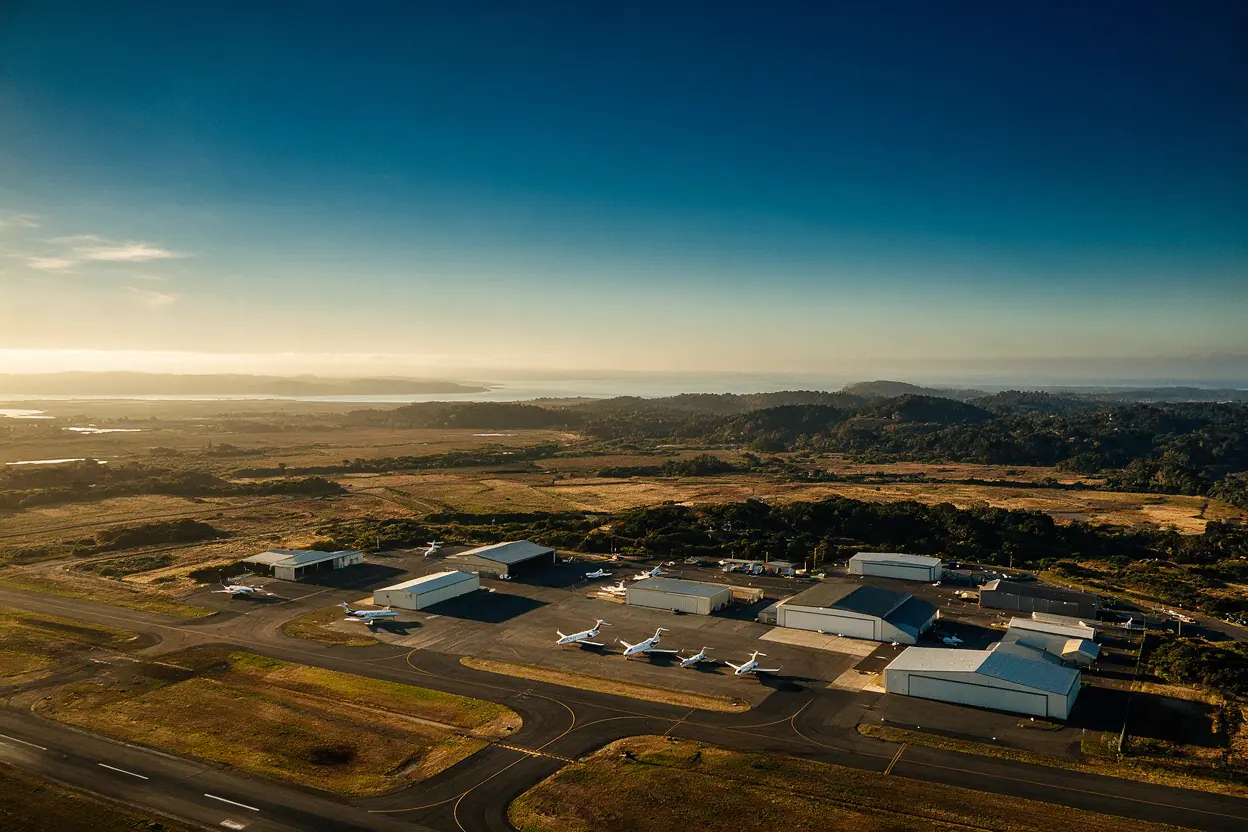
McClellan-Palomar Airport, KCRQ under its ICAO code and CLD as the local code, sits on the Carlsbad bench just inland from the Pacific. One runway serves everything from light turboprops to midsize business jets, and the field is a port of entry, which matters when a trip starts or ends outside the country. Ground time is short here compared with San Diego International, and the drive to Carlsbad, Encinitas and Oceanside business parks is at most a few freeway exits.
For a corporate flight, the practical appeal is schedule recovery. A corporate jet McClellan Palomar arrival puts Oceanside and Carlsbad offices within a short drive of the ramp, which is the kind of detail that decides a morning meeting. Teams flying in from the Bay Area, Phoenix or Denver can often land, meet and be back in the air the same working day. That changes how a company budgets a trip: less hotel, more productive hours.
Quotes for this field vary with aircraft category, day of week and how tight the return window is. Ask for the estimate in writing with the aircraft type and tail class named, then compare it against a corporate jet McClellan Palomar quote that lists fees, fuel surcharge and crew day separately. Prices are estimates until an operator confirms availability, so treat any first number as a planning figure, not a commitment.
Getting to and from the field
The airport sits off Palomar Airport Road, a short drive from Interstate 5 and the Carlsbad coastline. Ground access from McClellan-Palomar to Carlsbad offices is quick, and Encinitas and Oceanside are a few exits up the freeway, which keeps the door-to-meeting time predictable. If your team lands during the morning commute, then allow extra road time on Palomar Airport Road and the I-5 interchange. Rental cars and rideshare pickups work normally at the terminal area; confirm the meeting point with the handler so nobody waits on the wrong side of the fence.
Private jet routes via McClellan-Palomar
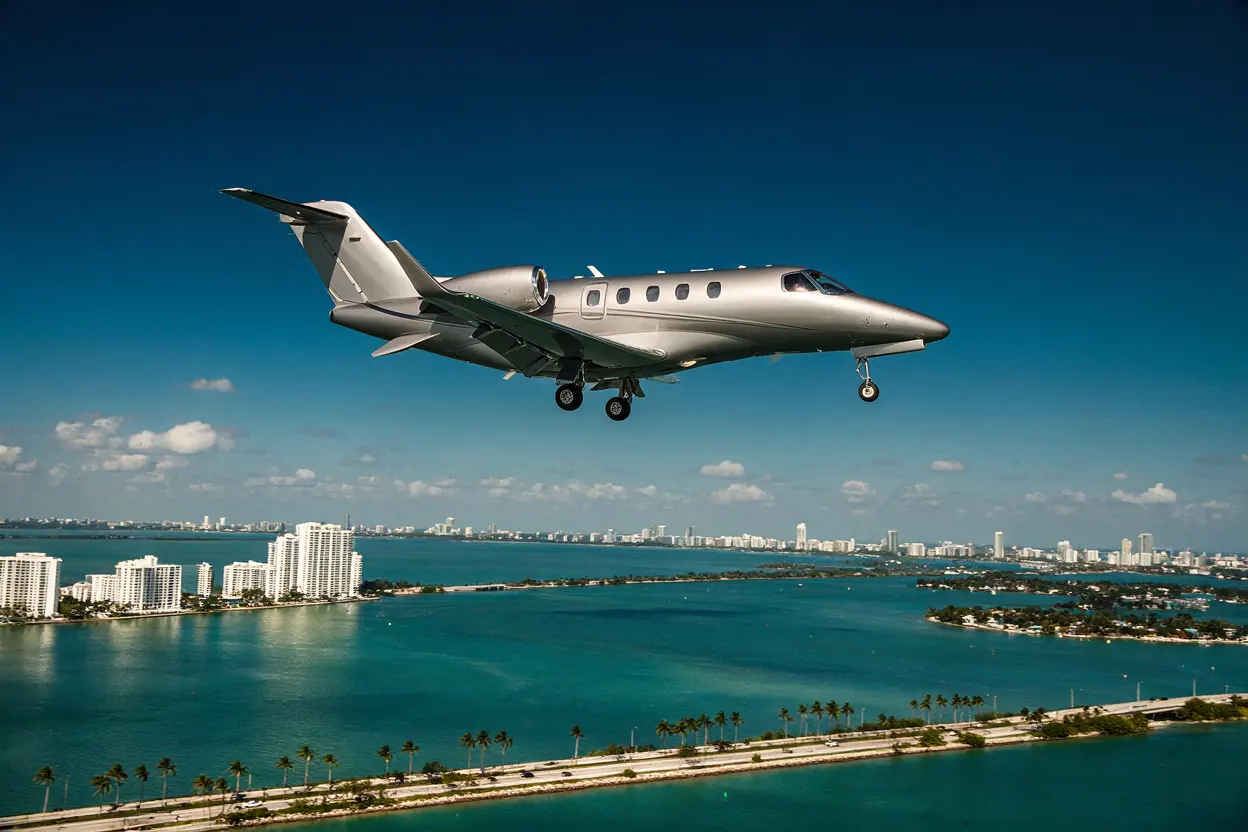
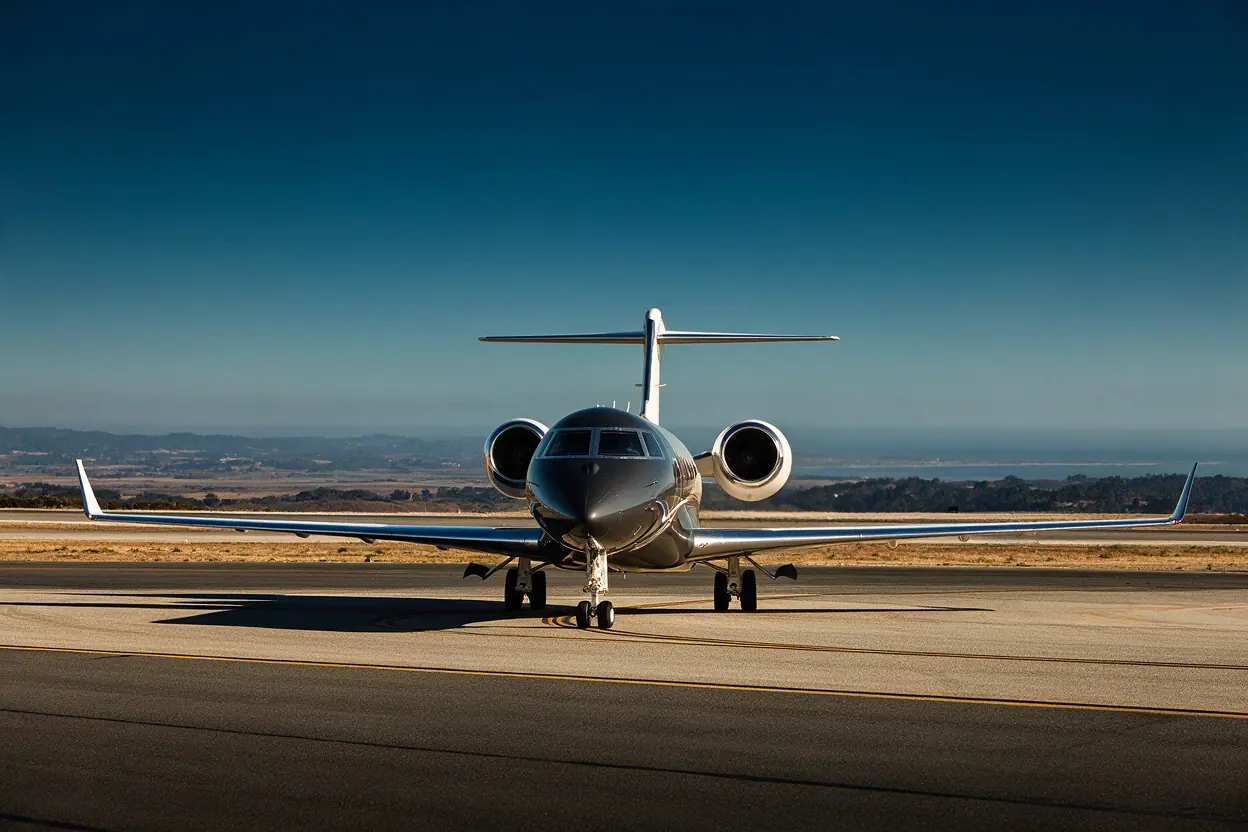
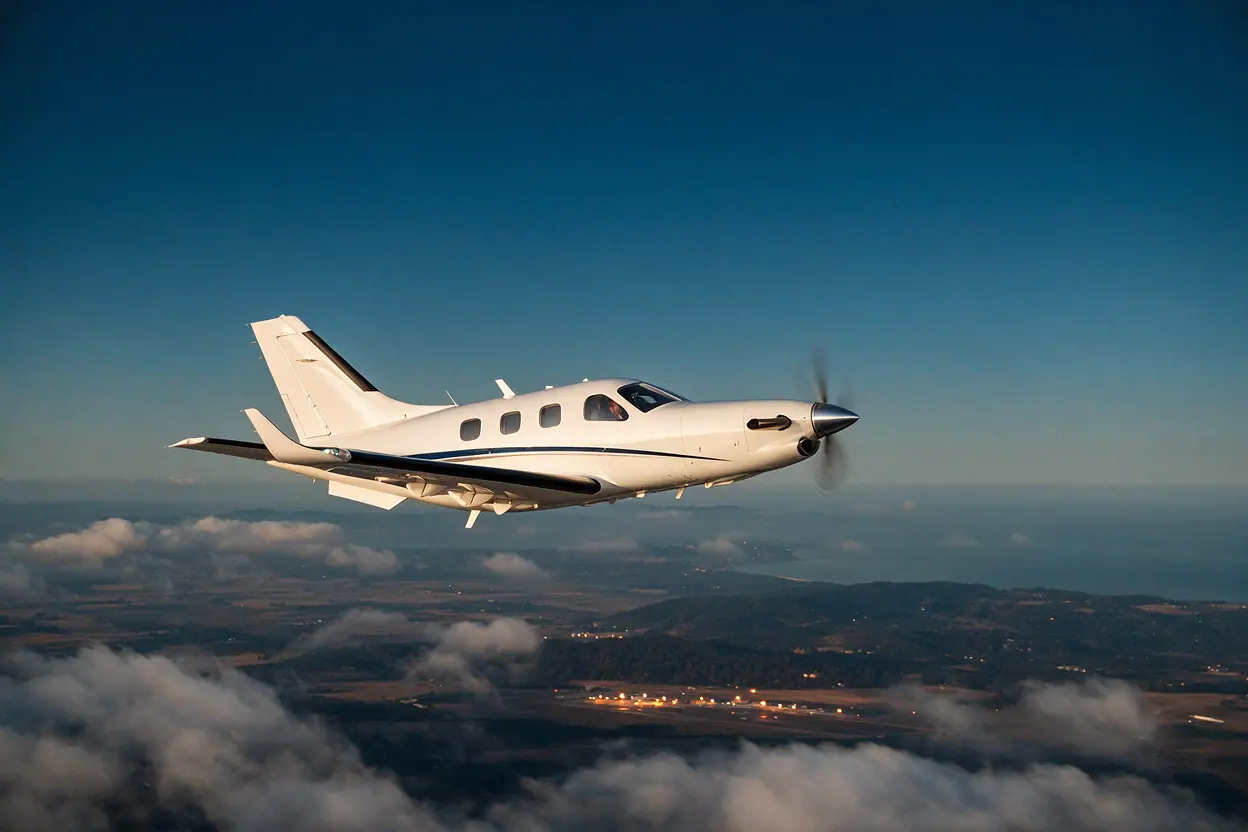
These 6 private jet routes cover 82 to 2,129 nautical miles, with one-way light jet estimates ranging $4,000 to $36,000.
Runway length and field constraints
The longest runway at McClellan-Palomar measures 4,897 ft at a field elevation of 331 ft, which is workable for many light and midsize jets but leaves less room than the long strips at Van Nuys or Dallas Love. A 4,897-ft runway at 331 ft field elevation shapes which jets can depart CLD fully fueled on a hot afternoon, and pilots will tell you the same. Heavier long-range types that need more pavement are better matched to a larger field inland or to San Diego International. If your trip is a short regional leg, then a light or midsize jet clears the runway comfortably with a normal fuel load.
| Rwy | Dist. | Wid. | Pavement |
|---|---|---|---|
| 06/24 | 4,897 ft | 150 ft | Asphalt |
FBOs and ground handling
Two ground handlers serve the field: Atlantic Aviation and Civic Helicopters. Atlantic Aviation handles the fixed-wing business traffic while Civic Helicopters serves rotor operations at McClellan-Palomar, so confirm which ramp your aircraft is assigned before you send a car. Ask the quote to show handling, after-hours fees and any overnight parking charge as separate lines rather than one bundled figure. If your arrival lands after the handler's posted closing time, then expect an after-hours callout fee that should appear in the estimate up front.
Trips this airport suits
- North San Diego County business meetings in Carlsbad, Encinitas and Oceanside, where the ramp is closer than San Diego International.
- Same-day round trips from the Bay Area, Phoenix or Las Vegas, where a light or midsize jet fits the runway and the schedule.
- International arrivals and departures, since the field is a port of entry and CBP clearance can be arranged.
- Team travel where per-seat math beats commercial connections, especially when four to eight people share one cabin.
| Type | Runway required | Here |
|---|---|---|
| Turboprop | 3,300 ft+ | OK for this aircraft |
| Light jet | 4,000 ft+ | OK for this aircraft |
| Midsize jet | 5,000 ft+ | Weight-limited |
| Super-midsize jet | 5,200 ft+ | Weight-limited |
| Heavy jet | 5,600 ft+ | Weight-limited |
Weather and density altitude by season
Summer is the season that changes performance numbers here. The hottest month averages an 80 F high, and peak density altitude reaches about 2,300 ft against a field elevation of 331 ft. In July the figure runs closer to 1,700 ft. Winter is mild, with highs near 64 F and six wet days in January. Peak density altitude near 2,300 ft at McClellan-Palomar is manageable for most business jets, but it trims takeoff margins on the longest legs, and that is the number to raise with the operator. If a July departure is booked with full tanks and a full cabin, then a lighter fuel load or a different aircraft type may be the honest answer. Spring and fall sit between those extremes, with April highs around 68 F and October highs near 76 F.
| Mo. | Mean peak | Rain days | DA value |
|---|---|---|---|
| Jan | 64°F | 6 | 700 ft |
| Feb | 64°F | 6 | 700 ft |
| Mar | 64°F | 9 | 700 ft |
| Apr | 68°F | 4 | 1,000 ft |
| May | 68°F | 3 | 1,000 ft |
| Jun | 74°F | 1 | 1,400 ft |
| Jul | 78°F | 1 | 1,700 ft |
| Aug | 80°F | 1 | 1,800 ft |
| Sep | 79°F | 2 | 1,700 ft |
| Oct | 76°F | 2 | 1,500 ft |
| Nov | 70°F | 4 | 1,100 ft |
| Dec | 64°F | 5 | 700 ft |
Questions about this airport
What runway and elevation does a corporate jet McClellan Palomar flight use?
The field has a single runway of 4,897 ft at an elevation of 331 ft, logged under the ICAO code KCRQ and the local code CLD. That length suits most light and midsize business jets on regional legs. Heavier long-range aircraft need more pavement, so operators will often route those trips through a larger field. Tell the operator your passenger count and baggage weight so the performance check is done against real numbers.
How hot does it get at McClellan-Palomar, and does heat limit takeoff?
The hottest month averages an 80 F high, and peak density altitude reaches about 2,300 ft. July density altitude runs nearer 1,700 ft. That is workable for most business jets but trims margins on long legs with full fuel. If you are flying in August with a full cabin, then ask the operator to confirm the takeoff weight and runway distance before you commit to the quote.
Which FBOs handle private jets at CLD?
Two handlers serve the field: Atlantic Aviation for fixed-wing business traffic and Civic Helicopters for rotor operations. Confirm which ramp your aircraft is booked onto before arranging ground transport. Ask for handling, after-hours callout and overnight parking to appear as separate lines in the estimate. If your arrival is late, then the after-hours fee should be visible rather than added after the fact.
Is McClellan-Palomar a port of entry for international trips?
Yes, the field is a port of entry, so international arrivals and departures can be cleared there with prior arrangement. CBP officers are not standing by around the clock for every request, so the schedule has to include clearance time. If your itinerary crosses a border, then build the CBP appointment into the plan before you book the aircraft and the ground transport.
When is the best season to book a jet into Carlsbad?
Spring and fall give the mildest performance conditions, with April highs near 68 F and October highs near 76 F. Summer works too, but the density altitude figure climbs. Winter highs sit near 64 F with six wet days in January. If your trip falls in a wet month, then leave slack in the schedule for weather delays rather than a tight same-day return.