Corporate Jet Dallas Love Field
Corporate jet Dallas Love Field options begin with four FBOs. The 8,800-foot runway accommodates most business aircraft at 487 feet elevation. Use this guide to compare access, weather and quotes.
- KDAL · DALfield identifiers
- 487 ftairfield elevation
- 8,800 ftlongest strip
- 0 mito New York
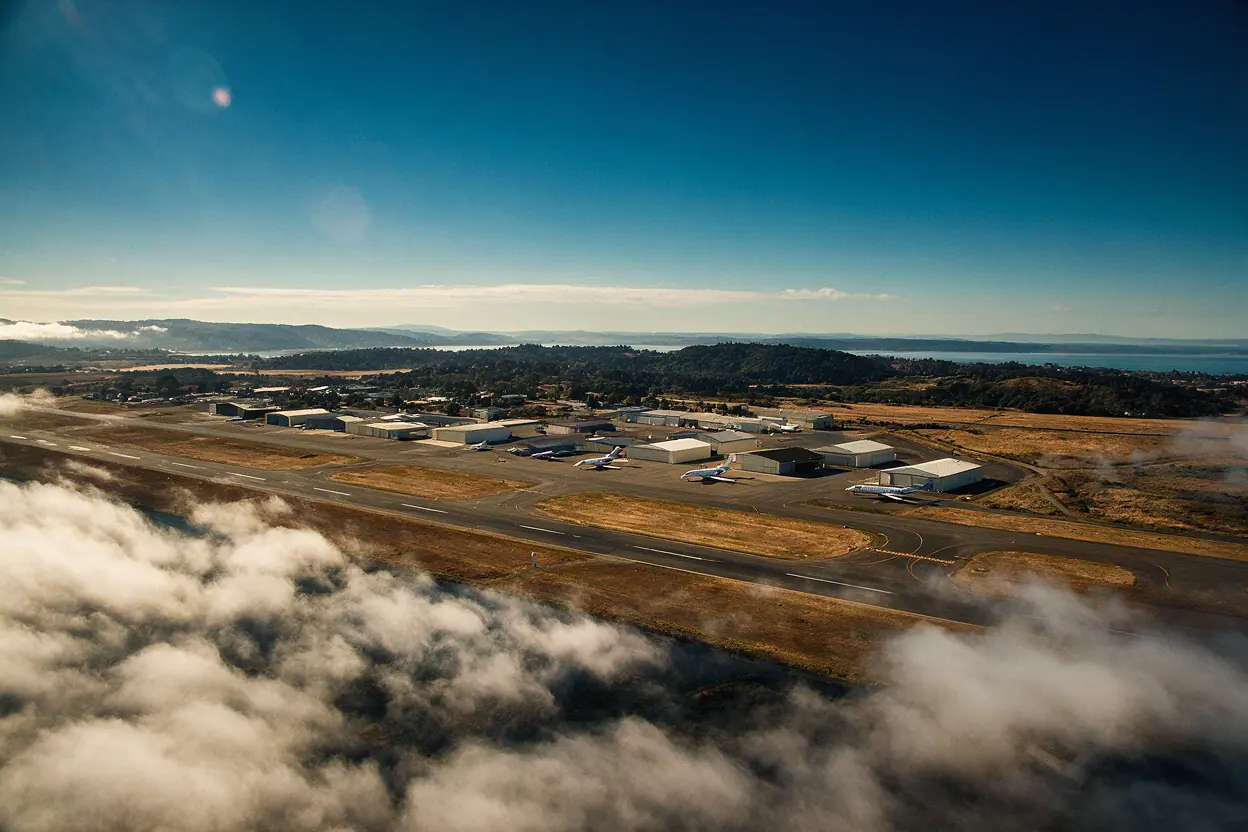
Dallas Love Field (KDAL) is a city airport with a business focus, located about seven miles northwest of downtown Dallas. The field elevation is 487 feet, and the longest runway stretches 8,800 feet, enough for most corporate jets. Four FBOs handle private aviation: Atlantic Aviation, Jet Aviation, Signature Aviation (Terminal 1 at A2) and Jet Access Dallas. Each offers different amenities, so compare before you book.
For corporate travel, Love Field's proximity to downtown and the Dallas Market Center area is a key advantage. The airport is convenient to major highways like the Dallas North Tollway and Interstate 35E, making it a quick hop to meetings in the Design District or Uptown. If your schedule includes same-day trips, the airport's layout supports efficient turnarounds. Keep in mind that peak travel times may affect traffic on the access roads.
When planning a charter, consider the seasonal density altitude. Summer highs reach 95°F, pushing density altitude to around 3,000 feet in July. That's still well within the performance range of most jets, but it's worth noting for smaller aircraft. The airport's peak density altitude is 3,500 feet based on the hottest month's average high plus 8°F. This data helps pilots and planners ensure safe takeoff performance.
Access and ground transportation
Dallas Love Field is located near major highways, including Interstate 35E and the Dallas North Tollway, providing quick access to downtown Dallas and surrounding business districts. The airport is about seven miles from downtown, typically a 15-minute drive outside peak traffic. Ride-sharing and taxis are available, and some FBOs offer courtesy cars. If you're heading to the Design District or Uptown, then allow extra time during rush hour. For international arrivals, CBP facilities may be available at certain FBOs, so confirm with your provider.
Private jet routes via Dallas Love
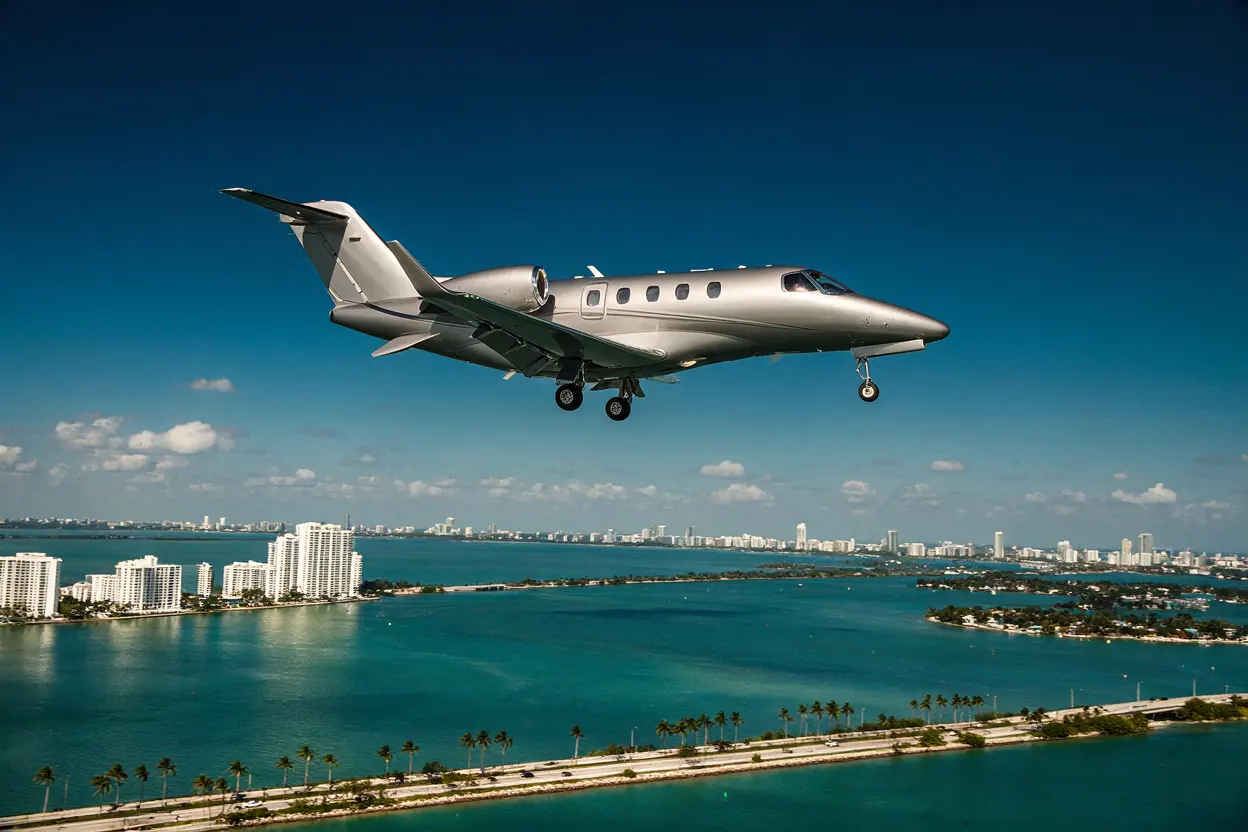
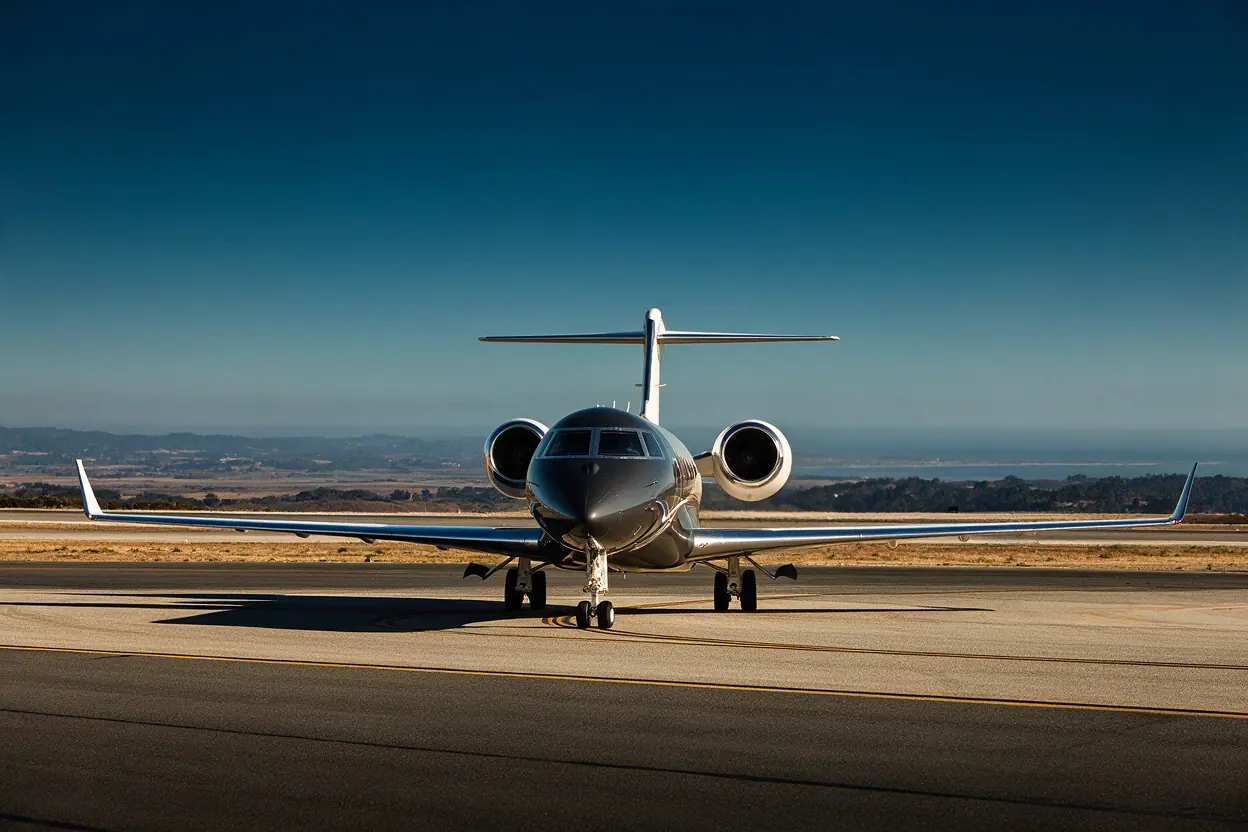
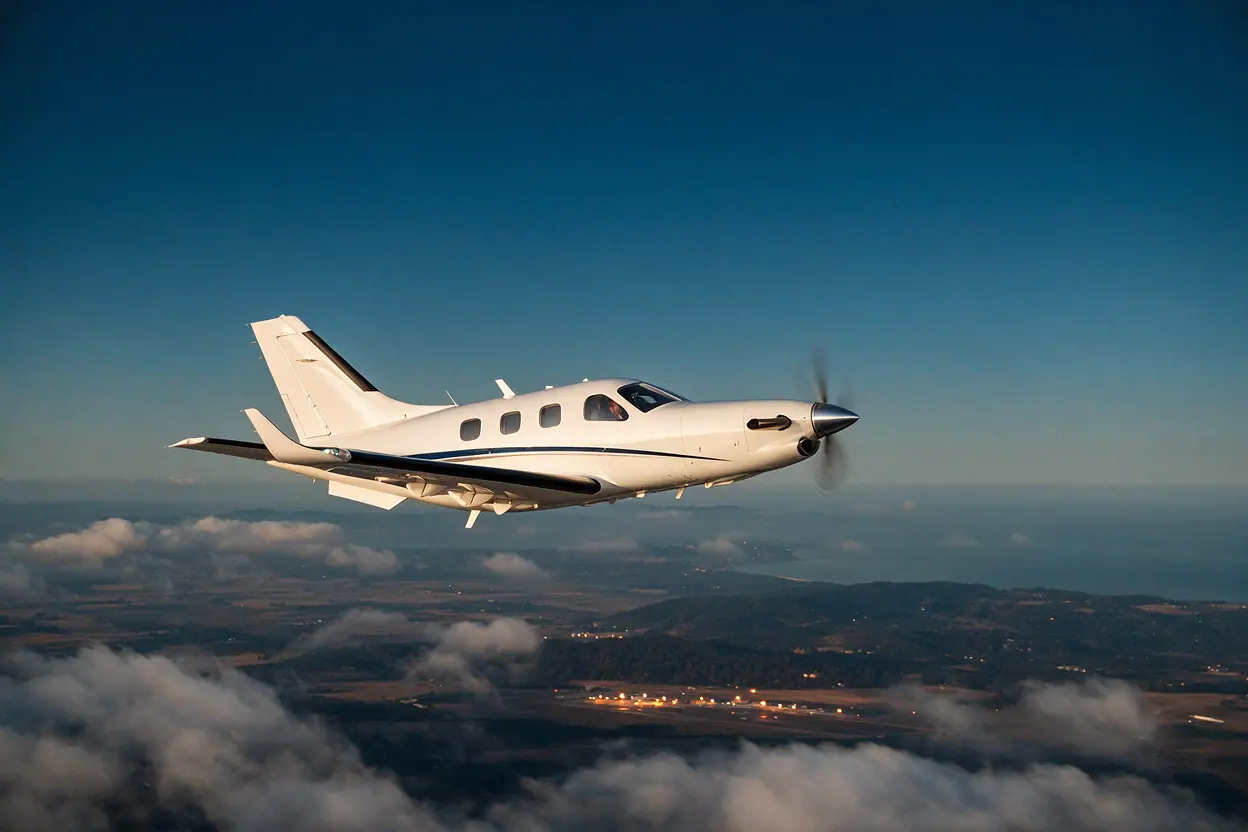
These 6 private jet routes cover 82 to 2,129 nautical miles, with one-way light jet estimates ranging $4,000 to $36,000.
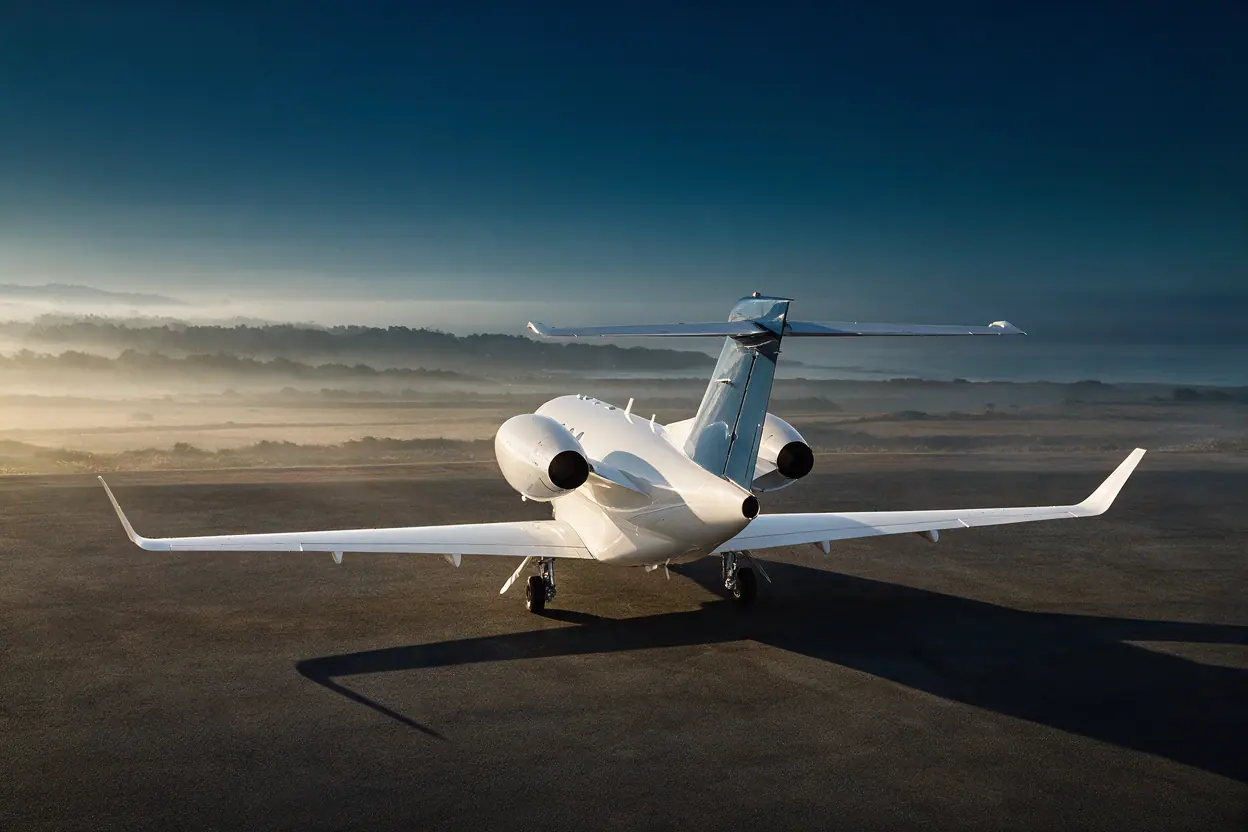
Runway Length and Airport Elevation
Dallas Love Field has a longest runway of 8,800 feet, which accommodates most corporate jet types at its 487-foot elevation. For planning purposes, the runway length is sufficient for typical business aircraft, but on hot days, density altitude can reduce performance. Pilots should calculate takeoff distances using current conditions. If your trip involves a heavy fuel load for a long leg, then verify performance with your operator. The airport's layout includes multiple runways, but the primary runway for corporate jets is the 8,800-foot strip.
| Rwy | Dist. | Wid. | Pavement |
|---|---|---|---|
| 13R/31L | 8,800 ft | 150 ft | Concrete |
| 13L/31R | 7,752 ft | 150 ft | Concrete |
FBOs at Dallas Love Field
Four FBOs serve private aviation at Dallas Love Field: Atlantic Aviation, Jet Aviation, Signature Aviation (Terminal 1 at A2) and Jet Access Dallas. Each provides services such as fueling, hangar space and passenger lounges. Signature Aviation's location at Terminal 1 at A2 may offer convenient access to the terminal. When requesting quotes, ask which FBO the operator uses, as fees and amenities vary. If you need a specific service like conference rooms, then confirm availability with the FBO directly.
For corporate travelers, the choice of FBO can affect ground time and costs. Some FBOs have larger ramps or more efficient customs facilities if you're arriving from international destinations. Always check with your charter broker to match your needs with the right FBO.
Best for
- Same-day business trips to downtown Dallas
- Corporate team travel with multiple passengers
- Access to Dallas Market Center and Uptown meetings
- Quick turnarounds with efficient FBO services
| Type | Runway required | Here |
|---|---|---|
| Turboprop | 3,300 ft+ | OK for this aircraft |
| Light jet | 4,000 ft+ | OK for this aircraft |
| Midsize jet | 5,000 ft+ | OK for this aircraft |
| Super-midsize jet | 5,200 ft+ | OK for this aircraft |
| Heavy jet | 5,600 ft+ | OK for this aircraft |
Weather and Density Altitude by Season
Summer at Dallas Love Field brings average highs of 95°F in July and August, with density altitude around 3,000 feet. That's a moderate increase from the 487-foot field elevation, but it can affect takeoff performance for smaller jets. In contrast, winter months see highs around 56°F in January and density altitude near 400 feet, offering more favorable conditions. Spring and fall are transitional, with density altitudes ranging from 1,300 feet in March to 2,600 feet in September.
If you're planning a summer departure, then consider scheduling early morning flights to avoid the heat of the day and maximize performance. Also, afternoon thunderstorms are common in spring and summer, so build flexibility into your itinerary. The wettest months are May with 14 wet days and April with 11, so allow for potential delays.
| Mo. | Mean peak | Rain days | DA value |
|---|---|---|---|
| Jan | 56°F | 7 | 400 ft |
| Feb | 60°F | 9 | 700 ft |
| Mar | 69°F | 10 | 1,300 ft |
| Apr | 75°F | 11 | 1,700 ft |
| May | 83°F | 14 | 2,200 ft |
| Jun | 90°F | 11 | 2,700 ft |
| Jul | 95°F | 8 | 3,000 ft |
| Aug | 95°F | 9 | 3,000 ft |
| Sep | 89°F | 8 | 2,600 ft |
| Oct | 79°F | 7 | 1,900 ft |
| Nov | 67°F | 8 | 1,100 ft |
| Dec | 60°F | 8 | 700 ft |
Questions about this airport
What is the longest runway at Dallas Love Field?
The longest runway at Dallas Love Field is 8,800 feet. That length is sufficient for most corporate jets at the 487-foot elevation, even with summer density altitude near 3,000 feet. However, on hot days, takeoff performance may be reduced, so pilots should calculate distances carefully. Always consult your operator for specific aircraft performance.
How many FBOs are at Dallas Love Field?
There are four FBOs at Dallas Love Field: Atlantic Aviation, Jet Aviation, Signature Aviation (Terminal 1 at A2) and Jet Access Dallas. Each FBO offers different amenities, so compare them before you book your corporate jet Dallas Love Field trip. When booking, ask your broker which FBO the operator uses, as fees and services vary. Some FBOs may have more convenient access to the terminal or customs for international flights.
What is the density altitude at Dallas Love Field in summer?
In summer, density altitude at Dallas Love Field peaks around 3,000 feet in July and August, based on average highs of 95°F. The airport's peak density altitude is 3,500 feet, calculated from the hottest month's average high plus 8°F. While this is higher than the field elevation of 487 feet, it remains within the performance capabilities of most corporate jets. Pilots should still factor it into takeoff calculations.
What is the best time of year for a corporate jet trip to Dallas Love Field?
Fall and spring offer moderate temperatures and lower density altitudes, with October averaging 79°F and a density altitude of 1,900 feet. Winter is also favorable, with January highs around 56°F and density altitude near 400 feet. Summer can be hot, with highs of 95°F and density altitude around 3,000 feet, so early morning departures can help. Consider your schedule and weather preferences when planning.
How far is Dallas Love Field from downtown Dallas?
Dallas Love Field is approximately seven miles from downtown Dallas. The drive typically takes about 15 minutes outside of peak traffic, but can be longer during rush hour. The airport is conveniently located near major highways like Interstate 35E and the Dallas North Tollway, making it a quick trip to business meetings in Uptown, the Design District or the Market Center area. Ride-sharing and taxis are readily available.
What should I know about chartering a corporate jet to Dallas Love Field?
When chartering a corporate jet to Dallas Love Field, request quotes from multiple brokers to compare options. Prices are estimates and vary by aircraft type, date and availability, so confirm which FBO will be used and any associated fees. For international arrivals, check customs availability. Also, consider seasonal density altitude for performance planning. Always verify operator credentials and insurance before booking.