Corporate jet charter in Tampa
Corporate jet charter in Tampa starts at KTPA with two FBOs and an 11,002-foot runway. The field sits at 26 feet with summer density altitude near 2,600 feet. Light jets carry 4 to 7 passengers for regional legs.
- 1field
- 0priced routes
- Main
- Tampa
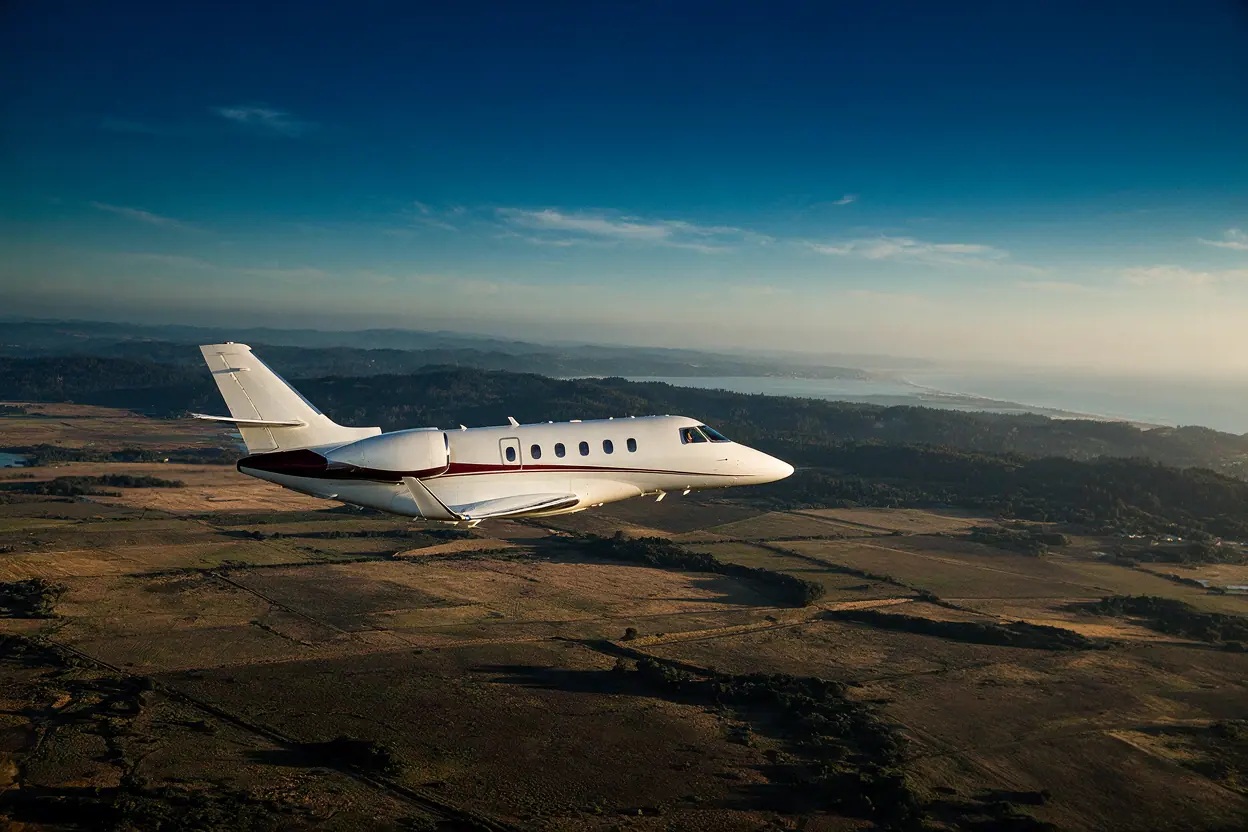
Tampa International is the default departure point for business travel along the Gulf Coast, with two FBOs on the field. The 11,002-foot runway at KTPA handles every charter class from light jets to heavy jets, so runway length is rarely the constraint. What changes the equation is mission: a light jet at $3,800 to $5,800 per hour fits four to seven people, while a midsize at $5,200 to $7,800 covers seven to nine and reaches Chicago nonstop.
Summer heat matters more than most people expect. July density altitude at Tampa International sits near 2,000 feet, with a hottest-month peak around 2,600 feet, which trims payload on turboprops and light jets on the longest regional legs. Cooler months from November through March restore full performance and are the busiest window for corporate travel into Tampa.
The airport sits six miles west of downtown, so a morning departure can follow a 7:30 meeting without a hotel night. A super-midsize jet cruising at 470 knots turns long east-coast legs into single work blocks, which is working time with a table and power. The trade is price per hour, which runs $7,200 to $10,000 for that class. Match the aircraft to the headcount and the leg, not to the brochure.
Tampa weather and runway notes
Tampa's wet season runs from June through September, with 21 to 25 wet days in the summer months. Afternoon storms build quickly and can hold arrivals at KTPA, so a morning departure is usually the safer bet for a same-day trip. The airport's 11,002-foot runway means length is not the issue; convective weather is. If your trip is time-critical in July or August, then build a buffer into the schedule or plan to leave before noon. Winter brings drier air and the highest demand for corporate travel into the region, so aircraft availability tightens around January and February.
| Mo. | Mean peak | Rain days |
|---|---|---|
| Jan | 70°F | 7 |
| Feb | 74°F | 8 |
| Mar | 80°F | 8 |
| Apr | 83°F | 9 |
| May | 88°F | 11 |
| Jun | 88°F | 21 |
| Jul | 89°F | 24 |
| Aug | 89°F | 25 |
| Sep | 86°F | 21 |
| Oct | 83°F | 8 |
| Nov | 77°F | 7 |
| Dec | 72°F | 6 |
City trip estimate

Select a route, number of travelers and bags to see the matching aircraft category, flight duration and a price range.
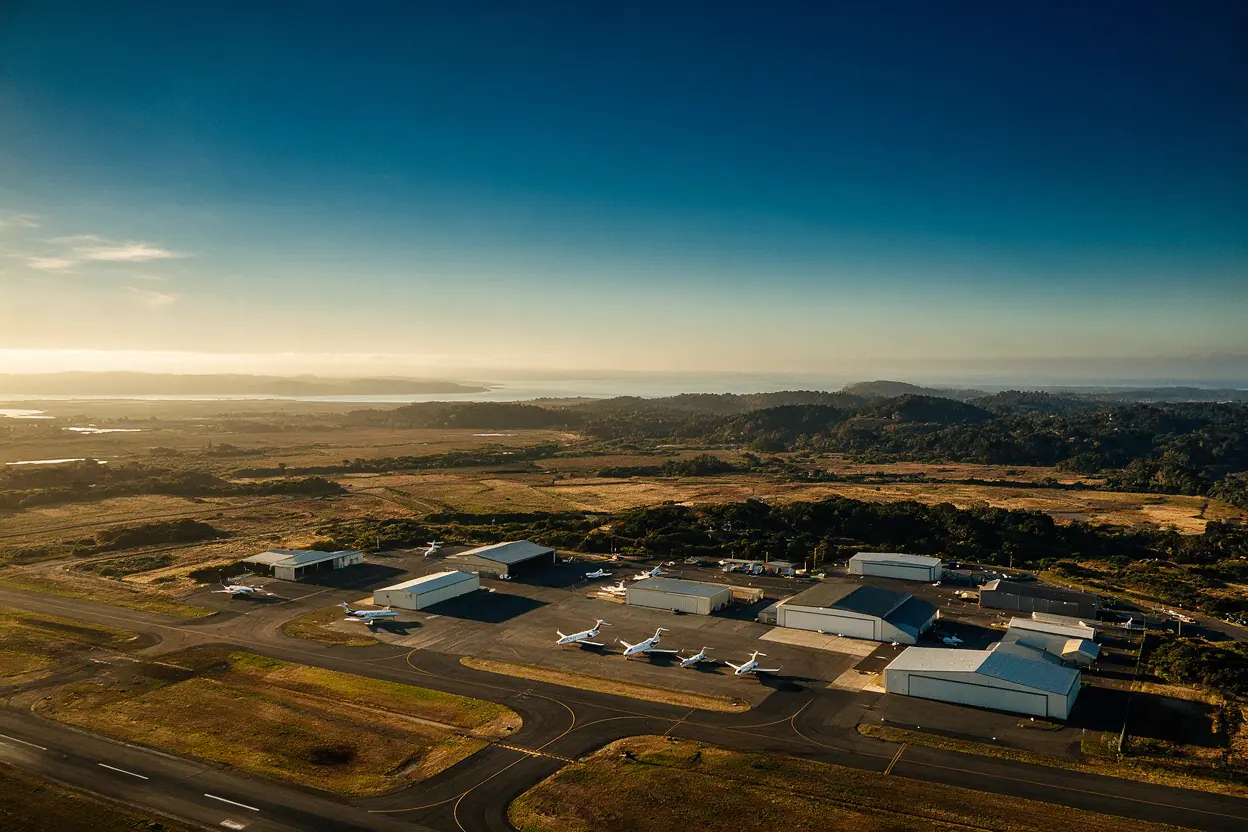
Fields around Tampa
How to arrange corporate jet charter
Confirm the airport and FBO
Tampa International (KTPA) has two FBOs, Sheltair and Signature Aviation, both close to the commercial terminal. Give your quote request the FBO preference if you have one, or let the operator pick based on hangar space and your departure time.
Match aircraft class to headcount and leg
A light jet carries 4 to 7 passengers for $3,800 to $5,800 per hour. A midsize carries 7 to 9 for $5,200 to $7,800. For nonstop transcontinental legs or a full team with luggage, a super-midsize or heavy jet is the honest choice.
Check performance for the season
July density altitude at KTPA sits near 2,000 feet, with a peak around 2,600 feet. That is within limits for most jets, but a full light jet departing on a hot afternoon may need a fuel stop. Ask the quote to state the payload and range at Tampa's summer conditions.
Book and reconcile
Corporate accounts typically book through a single point of contact and receive one invoice per trip. Confirm the cancellation terms and the de-icing or after-hours fees in writing before the tail number is assigned. Quotes are estimates until the operator confirms the aircraft.
Good to know
Which airport serves corporate jet charter in Tampa?
Tampa International Airport (KTPA) is the primary field, with two FBOs and an 11,002-foot runway. It sits about six miles from downtown, which keeps ground time short for meetings. The airport elevation is 26 feet, so performance is rarely a constraint. For teams heading to the beaches or south Hillsborough County, a smaller field may be closer, but KTPA is the reliable default for jet charter.
How much does a corporate jet cost per hour from Tampa?
Hourly rates run from $2,200 for a turboprop to $14,500 for a heavy jet. A light jet sits at $3,800 to $5,800 and a midsize at $5,200 to $7,800. Those are estimates for the aircraft class, not a firm quote. The confirmed price depends on the specific tail number, crew duty time, airport fees and whether the return leg is empty.
Does summer heat affect departures from Tampa?
Yes. July density altitude at KTPA sits near 2,000 feet, and the hottest-month peak runs around 2,600 feet. That reduces lift, so a fully loaded light jet on a long regional leg may need a fuel stop. If you are flying a full cabin on a hot afternoon, then a midsize or larger aircraft removes the constraint. Winter departures restore full performance.
Can a team fly same-day from Tampa and return?
Often yes, if the leg is within the aircraft's range and the crew has duty time for the return. A light jet covers most of Florida and the Southeast nonstop; a super-midsize reaches the Northeast. Build the schedule around the crew's duty limit, not just the flight time. A same-day round trip from Tampa to Atlanta is routine; Tampa to Los Angeles is a longer day and usually needs a larger aircraft.
How does a company book and get invoiced for Tampa charter?
Corporate accounts usually work through one contact who requests the quote, confirms the aircraft and receives a single invoice after the trip. Ask for the cancellation terms and any after-hours or handling fees in writing before you commit. Quotes are estimates until the operator assigns a tail number. Keep the passenger manifest current, since changes close to departure can affect the price.
What should I check when comparing Tampa charter quotes?
Compare the aircraft class, the estimated hourly rate and the total trip cost, not just the hourly figure. Ask whether airport fees, crew overnight and fuel surcharges are included. Under DOT Part 295, brokers must disclose the operator in writing before you pay, so read that disclosure. A quote that looks low often excludes positioning or the return leg.