Corporate jet charter in Denver
Denver sits high enough that heat changes the aircraft your trip needs. Centennial Airport rests at 5,885 feet, and July days can push density altitude past 9,200. Corporate jet charter in Denver rewards a little planning around warmth and payload.
- 1field
- 1priced routes
- $4,000–$6,000Denver → Aspen via light jet
- Main
- Denver
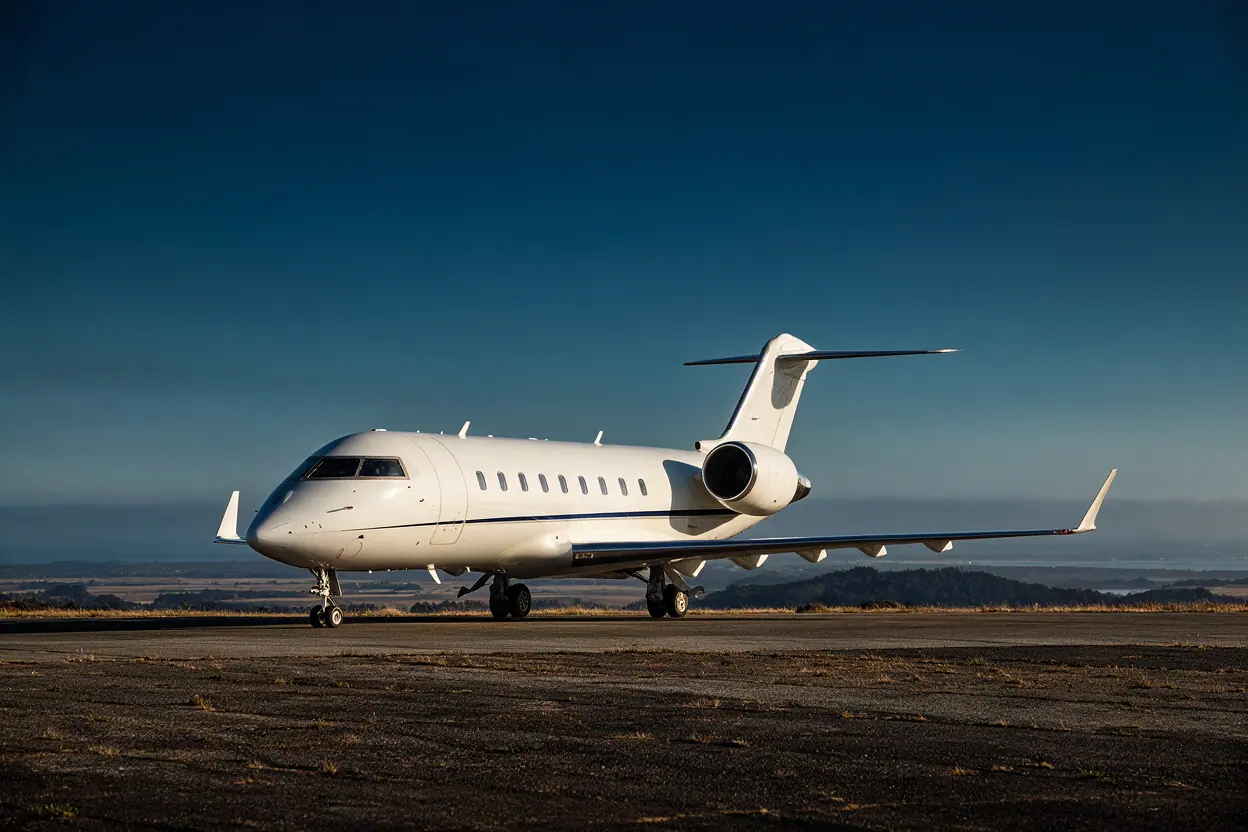
For corporate jet charter in Denver, most business flying runs through Centennial Airport south of the metro, not the airline terminals at DEN. That matters because your team avoids the commercial security line and the drive to a concourse. The tradeoff is a shorter runway picture in summer heat, which shapes what can leave with a full cabin and full bags.
The routes companies actually fly from Denver are short regional hops and direct transcons. A Denver to Aspen run is 96 nautical miles and roughly 32 minutes in the air, which makes a same-day meeting or a quick client visit genuinely practical. Longer trips to the coasts favor midsize and super-midsize jets that carry range and still handle the field.
What moves price and availability here is mountain weather and density altitude. When a hot July afternoon pushes density altitude toward 9,200 feet at APA, then light jets often face payload limits and a midsize or super-midsize fills the gap at a higher hourly rate. Winter trips toward ski country bring their own deicing and alternate-airport planning.
Centennial Airport and Denver conditions
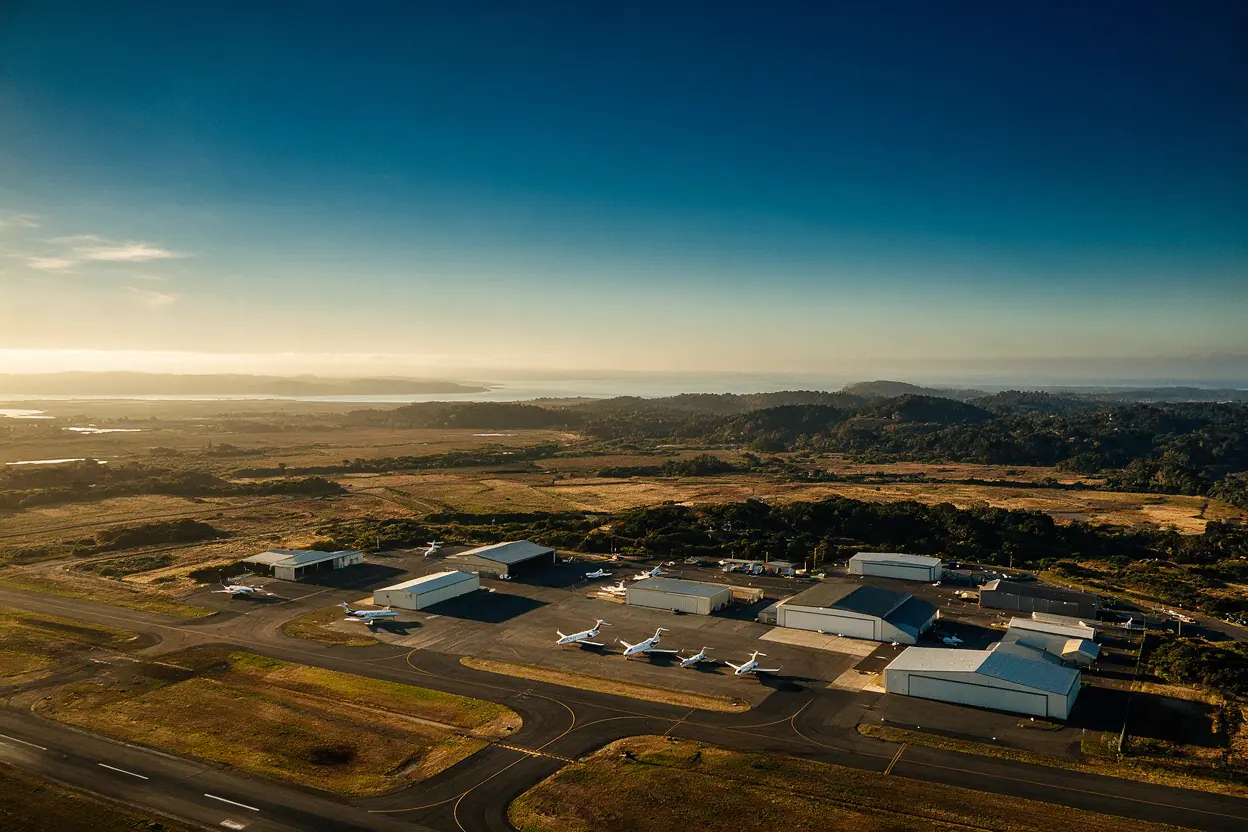
Centennial's longest runway is 10,001 feet, elevation is 5,885 feet, and three FBOs serve the field: jetCenters of Colorado, Modern Aviation and Signature Aviation North. Denver's climate swings hard, with average highs from the low 40s in January into the high 80s by July, and wet days peak in May at around 12. That mix means summer trips need payload checks and winter trips need deicing built into timing. If your team is crossing out of the country on the far end, then plan for CBP clearance and passport checks on that leg. A midsize jet at Centennial handles Denver to Aspen in about 32 minutes with real baggage room for a team. When a July departure is set for late afternoon, then expect the warmest density altitude and the tightest payload margins of the day. Denver travelers comparing corporate private jet quotes should confirm the departure airport and passenger count appear on every option.
| Mo. | Mean peak | Rain days |
|---|---|---|
| Jan | 41°F | 5 |
| Feb | 41°F | 8 |
| Mar | 49°F | 8 |
| Apr | 59°F | 8 |
| May | 69°F | 12 |
| Jun | 83°F | 8 |
| Jul | 88°F | 6 |
| Aug | 87°F | 6 |
| Sep | 80°F | 6 |
| Oct | 67°F | 4 |
| Nov | 53°F | 5 |
| Dec | 46°F | 5 |
City trip estimate
Select a route, number of travelers and bags to see the matching aircraft category, flight duration and a price range.
What Denver routes cost
For the Denver to Aspen leg, light jets quote roughly $4,000 to $6,000, midsize runs about $5,200 to $8,000, and a heavy jet comes in near $9,500 to $14,500. Those are estimates for the aircraft, not final invoices, and the hour of position and ground work on each end can move them. A light jet at roughly $3,800 to $5,800 per hour is often the practical choice for short mountain hops, while super-midsize and heavy aircraft at $7,200 and up per hour earn their rate on longer trips where cabin and range matter. When you compare two quotes for the same Denver run, then confirm both assume the same passenger count, bag load and departure field, because a lighter assumed load can make one look cheaper on paper only.
| Leg | Light | Mid | Heavy |
|---|---|---|---|
| Denver → Aspen | $4,000–$6,000 | $5,200–$8,000 | $9,500–$14,500 |
Fields around Denver
Booking corporate jet charter in Denver
Start from the right field
Ask for Centennial and confirm the operator can work the runway length and the day's density altitude before you commit a schedule.
Match aircraft to the mission
A Denver to Aspen leg suits a light or midsize jet, while coast-to-coast with a full team wants super-midsize or heavy cabin space.
Account for heat and load
On hot days, tell the operator passenger count and bag weight early so the quote reflects a realistic payload rather than an empty-aircraft figure. If the forecast tops 90 degrees, then ask for the density altitude at your departure time.
Build the working day
If the outbound leaves in the morning, then the return can be planned as a same-day trip with a clean block of onboard time for calls and prep.
Good to know
How long is the flight from Denver to Aspen by corporate jet?
The Denver to Aspen route covers 96 nautical miles and runs about 32 minutes in the air, a short hop that fits a same-day meeting. Light and midsize jets both fly it comfortably. Build in ground time at Centennial for boarding and at Aspen for deplaning, and on hot days confirm the payload works before you lock the schedule.
Which airport do most corporate jets use in Denver?
Centennial Airport, with the code KAPA, is the common field for corporate travel south of the metro. Its longest runway measures 10,001 feet and its elevation is 5,885 feet. Three FBOs serve it: jetCenters of Colorado, Modern Aviation and Signature Aviation North. Confirm which one your operator uses so ground transport and meeting times line up.
How does Denver's altitude affect corporate jet pricing?
Elevation at Centennial is 5,885 feet, and July density altitude can reach about 9,200 feet, with peak readings near 9,800 at extreme heat. Thin air limits how much a lighter jet can carry, so a midsize or super-midsize may be needed for a full team and bags. That bump in aircraft class is what raises the quote, not a surcharge.
What does a corporate jet from Denver to Aspen cost?
Estimates run about $4,000 to $6,000 for a light jet, $5,200 to $8,000 for midsize, and $9,500 to $14,500 for a heavy jet on the Aspen leg. These are estimates, not final invoices. When two quotes differ, then check both assume the same passenger count, bag weight and departure field before deciding.
How does corporate jet charter in Denver handle winter weather?
Denver's winter highs sit in the low 40s, and wet days are common in the colder months. Deicing and alternate-airport planning add time and cost, so build a buffer into the schedule. If your trip heads into ski country, then confirm the operator has experience with mountain airports and winter operations before you book.